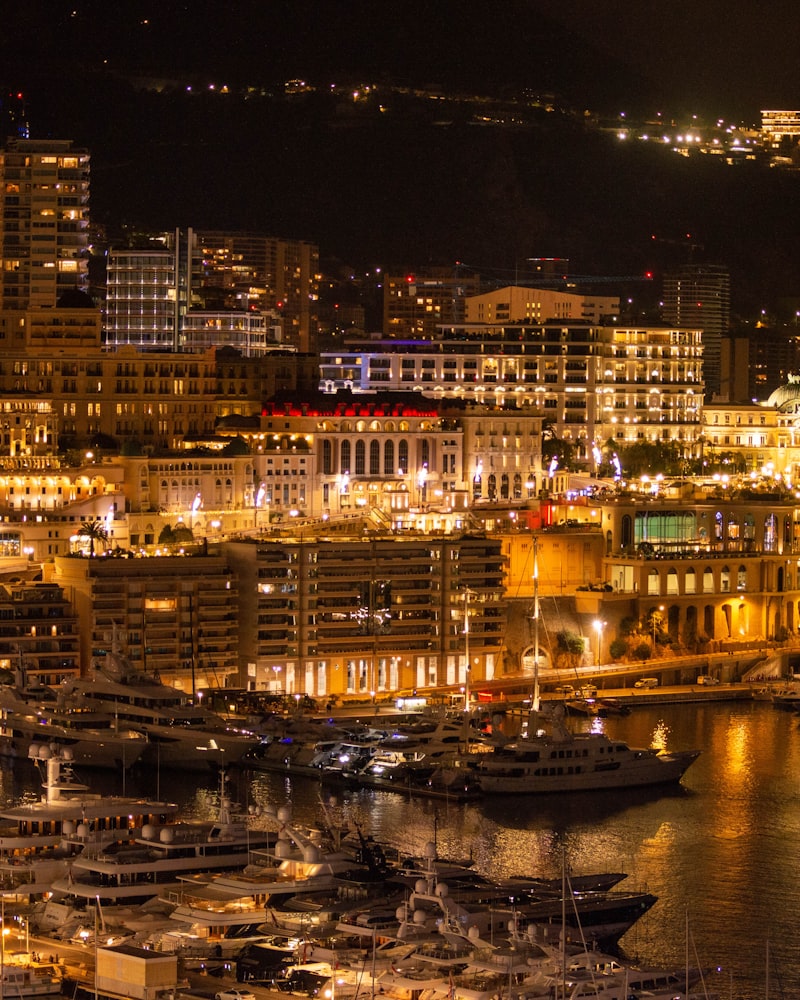
The Riviera has a secret it does not advertise: winter. Between November and March the coaches thin out, the terraces empty, hotel rates drop from their summer peaks — and Monaco, unlike the seasonal resort towns around it, does not close. This is a working capital city of roughly 38,000 residents; its restaurants, museums, gardens and opera house run all year because the people who live here do.
Better still, winter is when the principality’s own calendar gets busy. Some of Monaco’s most distinctive events — the circus festival, the Sainte-Dévote celebrations, the jazz season — happen precisely when visitors are fewest. Here is what the low season actually looks like.
The case for Monaco’s low season
Start with the weather. Monaco’s winters are famously mild — daytime highs typically sit around 10–15°C, rain comes in short episodes rather than grey weeks, and the light stays sharp enough for photography all season. It was exactly this climate that built Monte-Carlo in the first place: the belle-époque crowd came for the winter, not the summer.
Then there is the practical arithmetic. Hotel rates ease well below their May and August peaks, restaurant tables that need booking in July take walk-ins, and the one-day itinerary that means weaving through crowds in high season becomes a genuinely calm walk. Nothing meaningful closes — which is not something the surrounding coast can say.
Getting here is unchanged, only easier: the train from Nice still takes around 20–25 minutes and runs all day, minus the summer crush (our guide covers every route). And the daily rituals keep their timetable — the changing of the guard still happens at 11:55 on the palace square, to an audience of dozens rather than hundreds.
The winter calendar, month by month
November opens the jazz season — the concert halls around the casino fill for a string of headline runs — and the country pauses on the 19th for National Day, Monaco’s national holiday, with ceremonies on the palace square and the whole country flagged in red and white. By early December the Christmas Village has taken over Port Hercule and runs into the first days of January.
January belongs to the International Circus Festival, arguably the most important circus event in the world, held in the big top at Fontvieille — and to Sainte-Dévote on 26–27 January, when Monaco honours its patron saint with a symbolic boat burning outside her church, a tradition centuries old. February brings the Monaco Run along the seafront, and the season closes in March with the Bal de la Rose, the charity gala that has marked the end of Monegasque winter since the 1950s.
Events



Indoor Monaco: museums, gaming rooms, opera, spas
If a rainy day does arrive, Monaco absorbs it better than almost any city its size. The Oceanographic Museum — the 1910 cliff-top temple of marine science that Jacques Cousteau directed for over thirty years — is a half-day on its own. The Casino de Monte-Carlo opens its gaming rooms from early afternoon year-round, and winter is the heart of the season at the Opéra, which performs in Garnier’s 1879 Salle Garnier inside the casino building.
Winter is also spa season. The Thermes Marins above the port carries on Monaco’s long seawater-therapy tradition — one the principality has sold to winter visitors since the belle époque — and the grand hotels keep their pools heated. See our casino guide for how to visit the gaming rooms properly.
Places


The gardens stay green
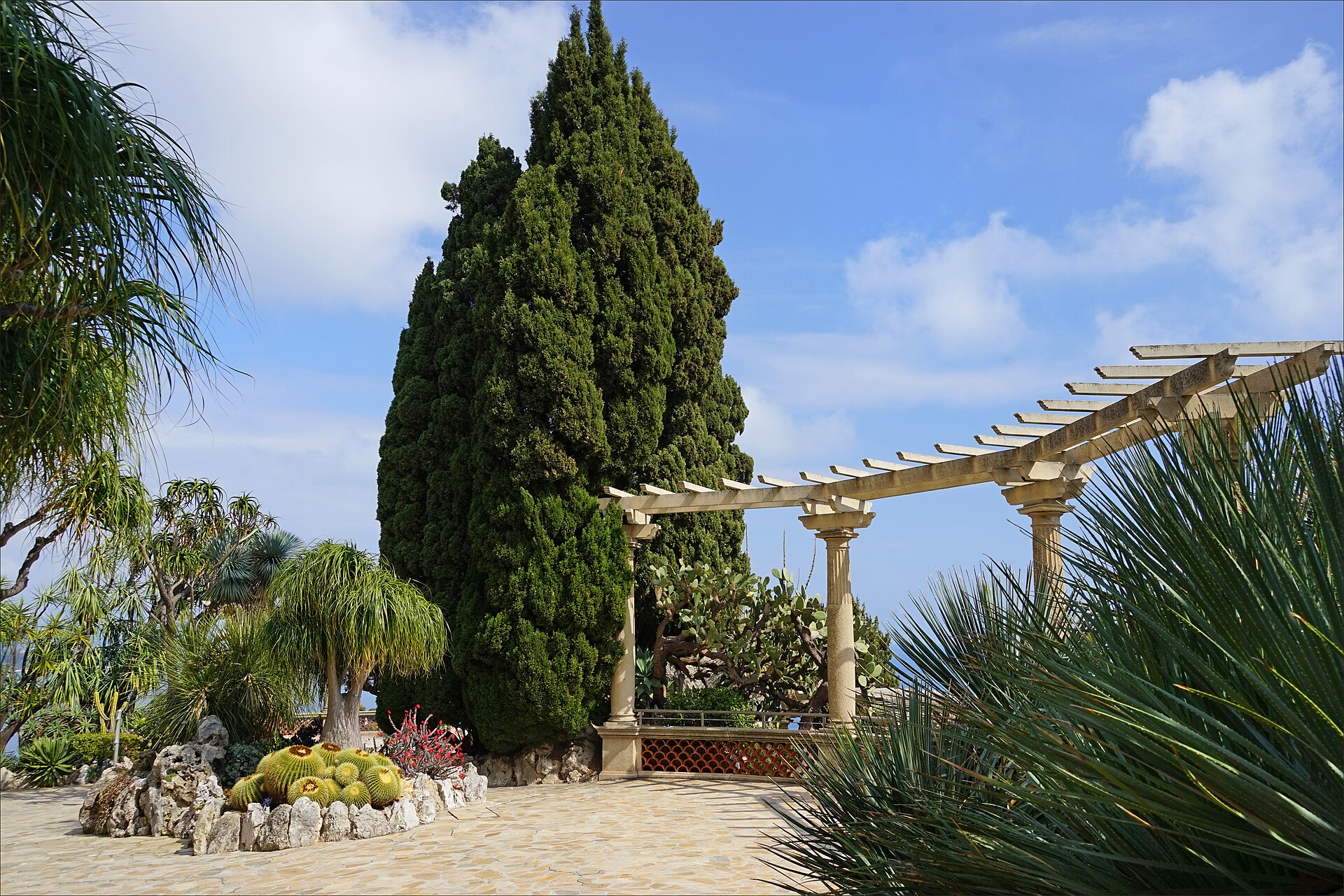
Monaco’s gardens do not do winter dormancy. The Jardins de Saint-Martin, strung along the sea cliff below the old town, are Mediterranean evergreen — pines, agaves, aloes that flower in the cold months — and the Jardin Japonais by Larvotto is designed to read beautifully in every season. Both are free, and in January you may have them nearly to yourself.
A garden walk in February here feels like spring anywhere else — which, again, is precisely why winter guests invented this coast.
Places


The harbour pool becomes an ice rink
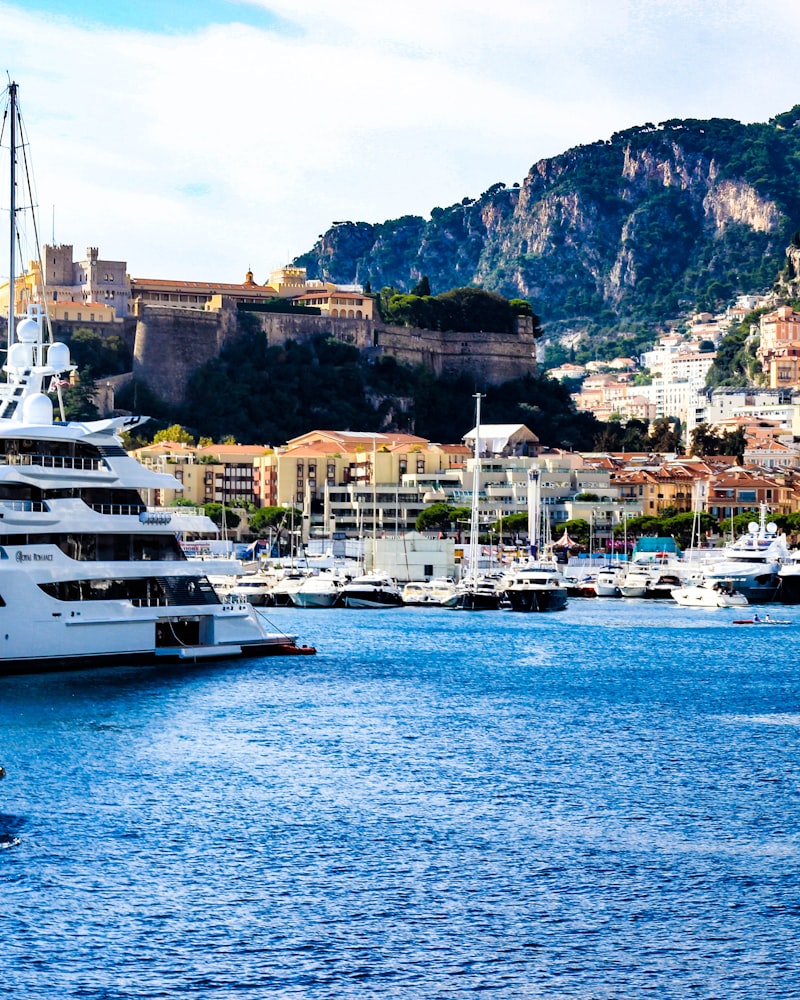
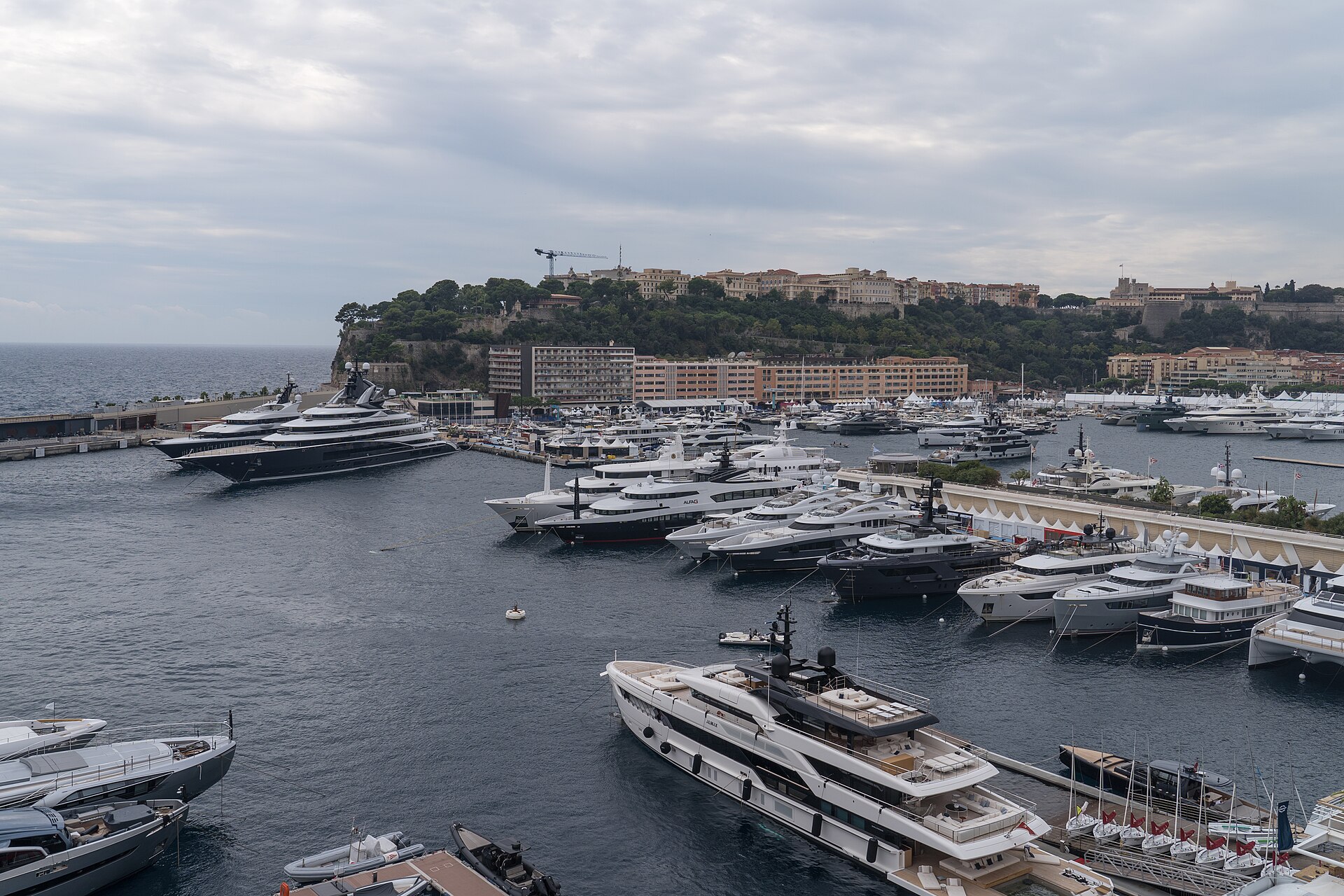
Monaco’s most charming seasonal trick happens at the Stade Nautique Rainier III on Port Hercule: the Olympic-size seawater pool where the principality swims all summer is converted each winter into an open-air ice rink, ringed by superyachts and the lights of the old town above.
Skating on the harbour’s edge, in mild air, under the Rock — it is the low season’s signature image, and locals use it as much as visitors do.
Places

Frequently asked questions
Is Monaco worth visiting in winter?
Yes — arguably it is the smartest season. The weather stays mild, hotel rates drop, the crowds vanish, everything stays open, and the winter calendar includes some of Monaco’s most distinctive events, from the circus festival to Sainte-Dévote.
Does it snow in Monaco?
Practically never. Monaco sits at sea level on a south-facing coast sheltered by mountains, and winter daytime temperatures typically stay around 10–15°C. A dusting of snow on the streets is a once-in-many-years curiosity.
What is closed in Monaco in winter?
Essentially nothing. Monaco is a year-round city, not a seasonal resort: the museums, casino, opera, gardens, restaurants and shops all operate through winter. Only the summer beach clubs at Larvotto scale back their season.
Can you swim in Monaco in winter?
Not comfortably in the sea — water temperatures are for the hardy few. Indoors is another matter: the grand hotels keep heated pools, and the Thermes Marins spa tradition of warm seawater treatments exists precisely for this season. The harbour-side pool itself becomes an ice rink.