No building explains Monaco better than the Casino de Monte-Carlo. It is at once a working casino, a belle-époque monument, an opera house and the reason the principality pays no income tax — and it remains, a century and a half on, the single image most people hold of the country. Which is why the practical questions never stop: can you go in without gambling, what do you wear, what does it cost?
The answers are simpler than the mystique suggests. Here is how the casino actually works — as a visit, as a night out, and as a piece of history — from the morning visits to the one law about it that surprises everyone.
The building that saved a country
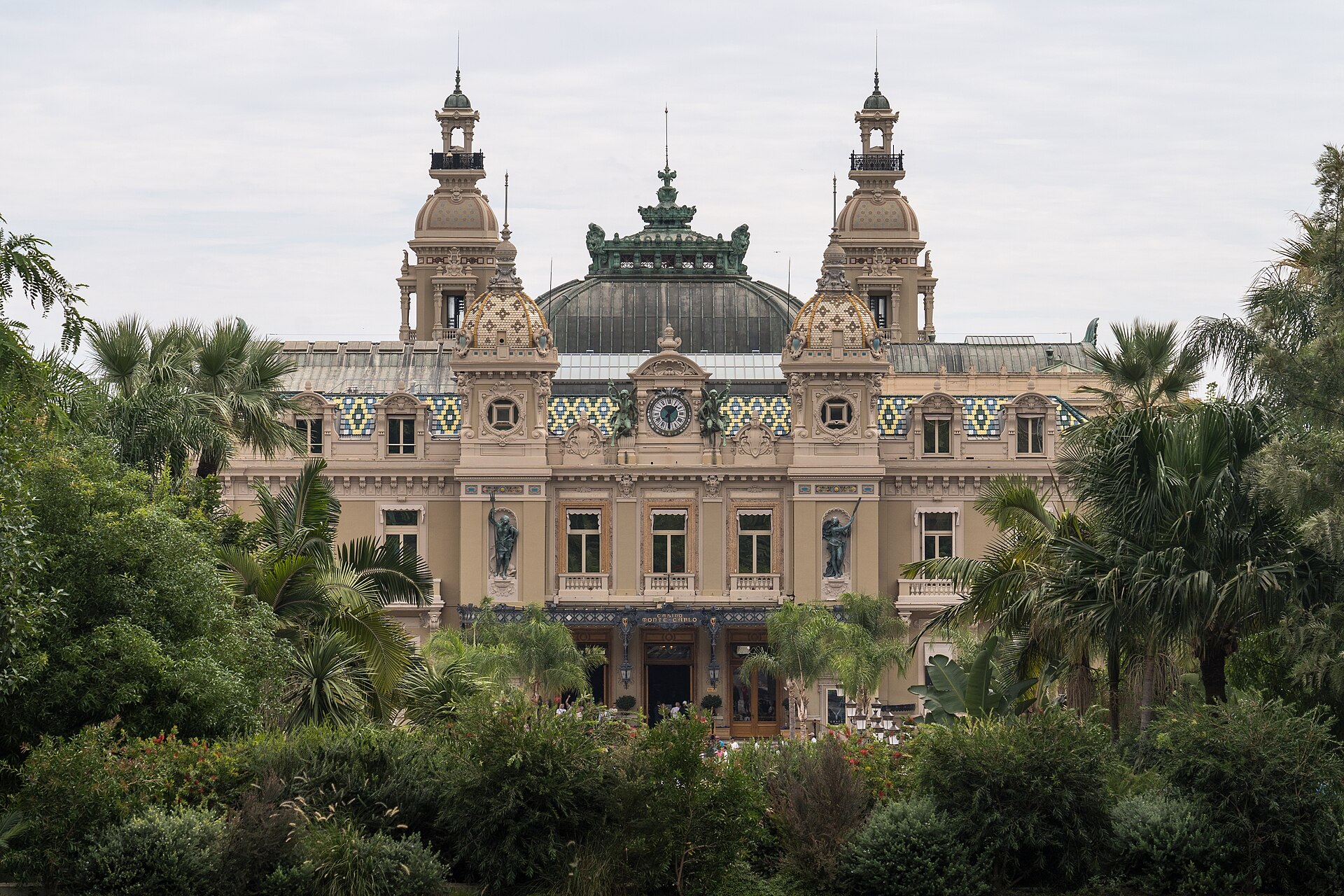
Gaming began on this spot in 1863, when François Blanc — the entrepreneur behind the tables at Bad Homburg — took over a struggling concession and built it into the resort that gave the quartier its name. The gamble worked so completely that in 1869 Prince Charles III abolished income tax for Monaco’s residents: the casino was funding the state. It still shapes the country’s finances, and its owner, the Société des Bains de Mer, remains Monaco’s grandest institution.
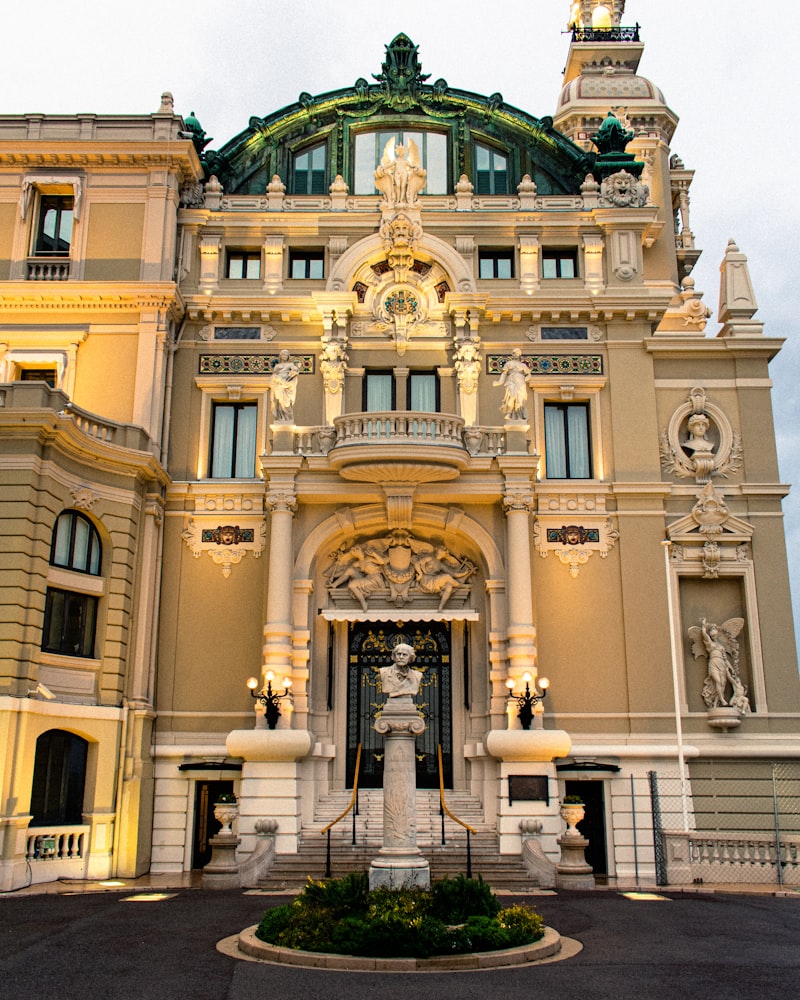
The building grew with the fortune. In 1879, Charles Garnier — fresh from the Paris opera house that bears his name — added the Salle Garnier, the jewel-box theatre where the Opéra de Monte-Carlo performs to this day. What stands on the square is therefore two monuments in one: a casino and an opera house sharing a façade, which tells you most of what you need to know about Monte-Carlo’s idea of itself.
Places


Visiting the casino without gambling
You do not need to place a bet to see the inside. Every morning from 10:00 to 13:00 (last entry 12:15), before the gaming rooms open, the casino operates as a visitable monument: ticketed entry, a guide on your phone, and photos allowed in some of the gaming rooms. The gilded Atrium itself is free to enter. For anyone interested in the architecture, the morning visit is actually the better way to see it: lights up, tables at rest, frescoes and caryatids unobstructed.
Check the Casino’s page before you plan around it — the Casino publishes fixed daily hours, and posts exceptional changes there. And the exterior costs nothing at any hour: the casino square, the fountains, the supercar parade and the terraces behind, looking over the sea, are a free show in themselves. Our one-day itinerary builds an afternoon around exactly this.
Playing the tables: hours, ID, entry fee
The gaming rooms open at 14:00 and run late into the night. Entry is for adults — 18 years and one day, the house specifies — with a valid passport, or a national ID card for EU nationals; photocopies and digital ID are refused. The door checks are polite but real, and they exist partly to enforce the law described below. Visitors pay an entry fee of €20, which includes €10 to spend at the slot machines, the bar or Le Salon Rose restaurant (there, on a bill of €40 or more); beyond the main rooms lie the salons privés, the high-stakes rooms, where access is at the house’s discretion.
Inside, the spread runs from European roulette and trente-et-quarante — the house classics since Blanc’s day — through blackjack, poker and modern machines. You do not need to be a high roller: minimum stakes at the main tables are closer to a nice dinner than to a yacht, and plenty of guests come in, play modestly for an hour, and treat the fee as the price of an evening inside a monument.
The dress code, decoded
There are really three dress codes, keyed to the building’s day. For the morning heritage visit, before the tables open, the rule is relaxed: correct dress is asked, and T-shirts, bermuda shorts and trainers are accepted — this is the sightseeing hour. Once the gaming rooms open at 14:00, the code firms up: no shorts or bermudas, no ripped jeans, no sportswear or trainers, no vest tops or beachwear, and no flip-flops or sandals for men. And from 19:00 T-shirts and sweatshirts are out too — a jacket is never wrong after dark.
Two details people miss: shoes matter more as the day advances — once play begins, polished trumps branded — and the code follows the building’s mood as much as its rules. Policies evolve, so check the house’s current guidance before a special evening; but this remains the last great room in Europe where dressing up is part of the game. Lean into it.
Why Monégasques can’t gamble: the law everyone asks about
It is true, and it is the casino’s best story: Monégasques may not gamble in their own casino. The principle dates to the casino’s earliest years — the princes took the view that the house should profit from visitors, never from its own subjects — and it survives to this day: the Casino’s conditions of entry still say Monégasques may not take part in the games, and extend the ban to Monaco’s public servants and to the house’s own staff. The roughly 38,000 residents include only a minority of actual citizens, but they are the ones who may not play at the most famous tables in their own country.
The rule reads as paternalism, and it was; it has aged into something closer to elegance. Monaco built its fortune on games of chance while formally protecting its own people from them — a small country hedging its founding bet. It is the detail every visitor repeats afterwards, and it is true.
Around the square: where to land before and after
The casino anchors a stage set, and the supporting cast matters. The terrace of the Café de Paris has been the front-row seat since 1868 — an espresso or a flûte here, watching the square perform, is the cheapest ticket to the Monte-Carlo spectacle. Across the gardens, Buddha-Bar fills the casino’s former cabaret hall with low light and late cocktails, the natural after-tables room.
And below the square, the Jardins des Boulingrins step down toward the sea — manicured, free, and the best vantage for the casino façade itself. For the full evening, our restaurant guide covers the tables around the Carré d’Or; jewelry shopping in Monaco maps the high-jewelry houses on the same square; and Monaco vs Monte-Carlo explains how this quartier fits into the rest of the country.
Places


Frequently asked questions
Can tourists visit the Casino de Monte-Carlo without gambling?
Yes. Every morning from 10:00 to 13:00 (last entry 12:15), before the gaming rooms open, the casino welcomes ticketed visitors to see its salons as a belle-époque monument, with photos allowed in some rooms; the Atrium is free to enter. From 14:00, the gaming rooms are for players and the rules tighten.
What is the dress code at the Casino de Monte-Carlo?
It depends on the hour. Morning heritage visits are relaxed — correct dress, with T-shirts, bermuda shorts and trainers accepted. From 14:00, when the gaming rooms open, shorts and bermudas, ripped jeans, sportswear, trainers, vest tops, beachwear and men’s flip-flops or sandals are barred; from 19:00, T-shirts and sweatshirts too. Policies evolve, so check before a special evening.
Why can’t Monégasque citizens gamble at the casino?
Because the rules forbid it, and have since the casino’s early years: Monaco’s princes decided the house should profit from visitors, never from its own citizens. The Casino’s conditions of entry still say Monégasques may not take part in the games.
How much does it cost to enter the Casino de Monte-Carlo?
Entry to the gaming rooms costs €20, including €10 to spend inside, for adults aged 18 and a day with a passport (or a national ID card for EU nationals). The morning heritage visit is ticketed separately — €20 for adults — and the Atrium, the square, the gardens and the terraces outside are free.