Monaco is barely two square kilometres — smaller than Central Park — which makes it one of the few places in Europe where a single day genuinely covers the essentials. The trick is order: the principality is built on a cliff face, and a badly sequenced day means climbing it twice.
This itinerary runs west to east, morning to midnight, mostly downhill or flat, and entirely on foot. Every stop links to our full entry, with hours, addresses and directions.
Morning: Le Rocher before the crowds
Start on Le Rocher — the medieval old town on the headland — before 10 a.m., when the lanes still belong to residents. Walk up from Place d’Armes and take the ramp to the Prince’s Palace; if you time it right, the changing of the guard happens daily just before noon on the palace square.
Wander the narrow streets down past the cathedral (where Princess Grace and Prince Rainier III are buried) into the Jardins de Saint-Martin, a free cliffside garden strung along the sea wall. It ends at the Oceanographic Museum, the 1910 temple of marine science that Jacques Cousteau directed for over thirty years — the museum suggests about two hours. The Mediterranean section of the aquarium is being renovated, but the shark lagoon, the tropical tanks and the Mediterranean 2050 exhibition are open.
Staying in Nice and would rather be guided? A five-hour guided tour from Nice (affiliate link) takes in Monaco, Monte-Carlo and the hilltop village of Èze, with pickup included.
Walks

Lunch: the market at La Condamine
Come down off the Rock to Place d’Armes and do what Monaco actually does at lunchtime: eat at the Marché de la Condamine, the market hall on Place d’Armes. Socca, fresh pasta, barbagiuan — the national snack — at counter prices that will recalibrate what you think Monaco costs.
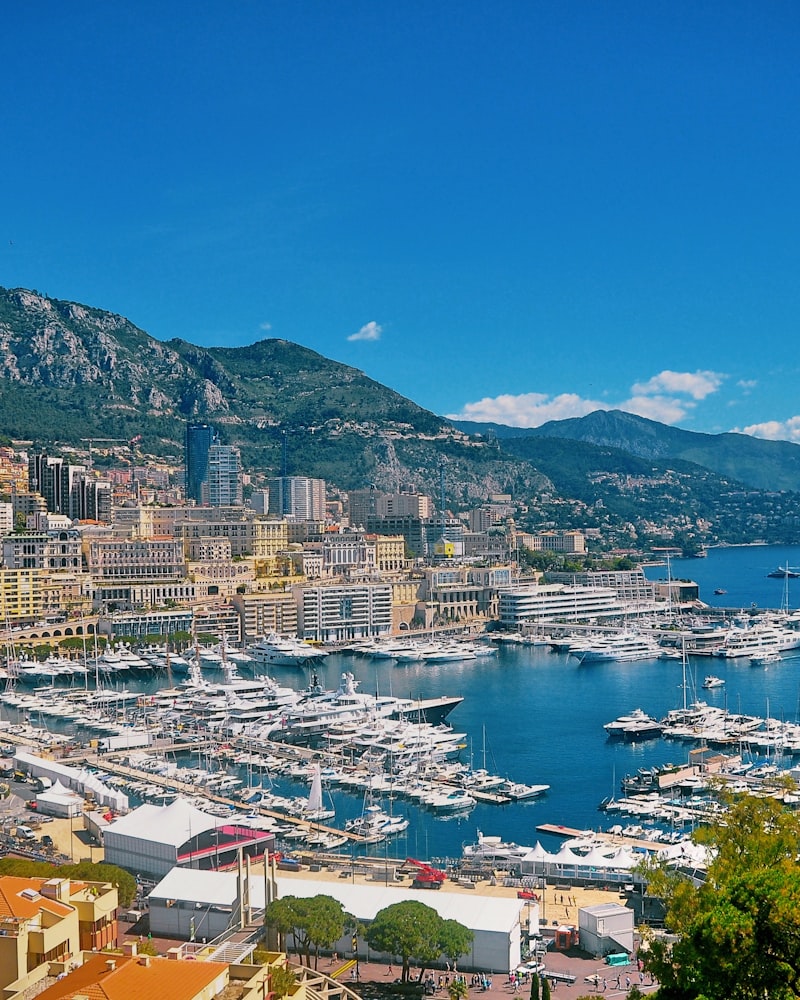
From there, stroll the length of Port Hercule, the natural deep-water harbour that has sheltered ships since antiquity. The quays are public and the superyacht-watching is free.
Places


Afternoon: up to Monte-Carlo
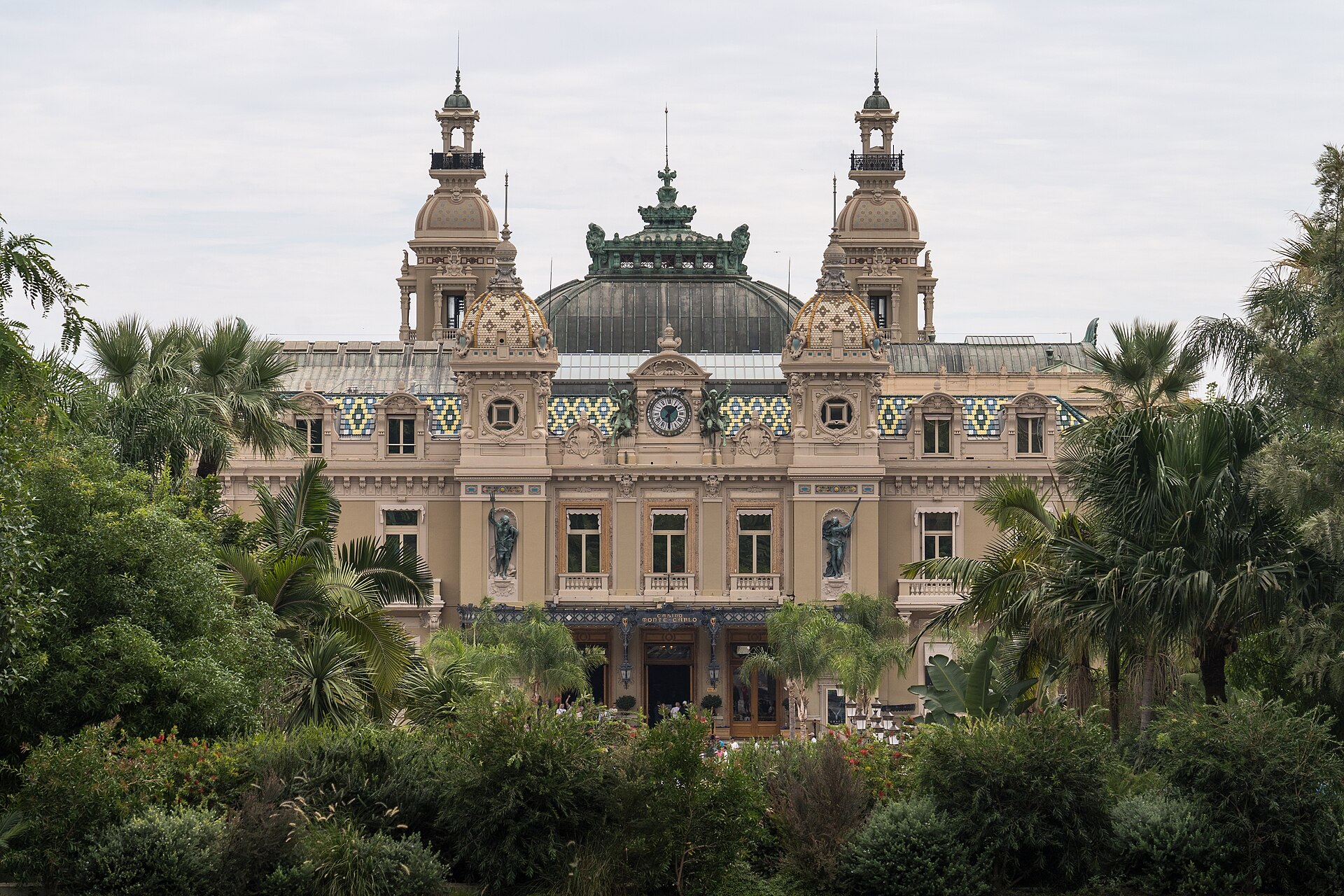
Cross the port and climb — or take one of Monaco’s public elevators — up to Monte-Carlo, the quartier that made the principality famous. The Casino de Monte-Carlo is the centrepiece: gaming began here in 1863, and the building grew into its belle-époque form over the decades that followed — Charles Garnier added the Salle Garnier in 1879, and the Opéra performs in it still. In front, the manicured Jardins des Boulingrins step down toward the sea.
You don’t need to gamble. The Place du Casino is a stage set — supercars, photographers, the terrace of the Café de Paris — and simply sitting with an (expensive, worth-it) espresso is the classic Monte-Carlo hour.
Places


Golden hour: Larvotto and the sea
Follow Avenue Princesse Grace east — past the Jardin Japonais, a quiet, free Japanese garden that most visitors walk straight past — to Larvotto, Monaco’s beach quarter, renovated in 2021 with a broad promenade of restaurants and beach clubs.
This is where the principality swims after work. Have a drink on the promenade, or walk the new Mareterra eco-district — six hectares reclaimed from the sea, opened in late 2024, with a public seafront promenade and pine grove.
Places


Evening: dinner and lights
For dinner, the options span the whole spectrum: market-priced Italian in La Condamine, seafront grills at Larvotto, or — if the day deserves a finale — Le Louis XV, Alain Ducasse’s three-star dining room at the Hôtel de Paris. Our restaurant guide breaks the scene down by neighbourhood and budget.
End on foot: the port and the casino square are lit like film sets after dark. Our Monaco by Night walk strings the best of it into an hour’s loop.
Walks

Frequently asked questions
Is one day enough for Monaco?
Yes — for the essentials. Monaco covers about 2 km², and the old town, port, Monte-Carlo and Larvotto beach can all be seen comfortably on foot in a single well-ordered day. A second day earns you the museums, gardens and quieter corners.
Can you visit Monaco on a day trip from Nice?
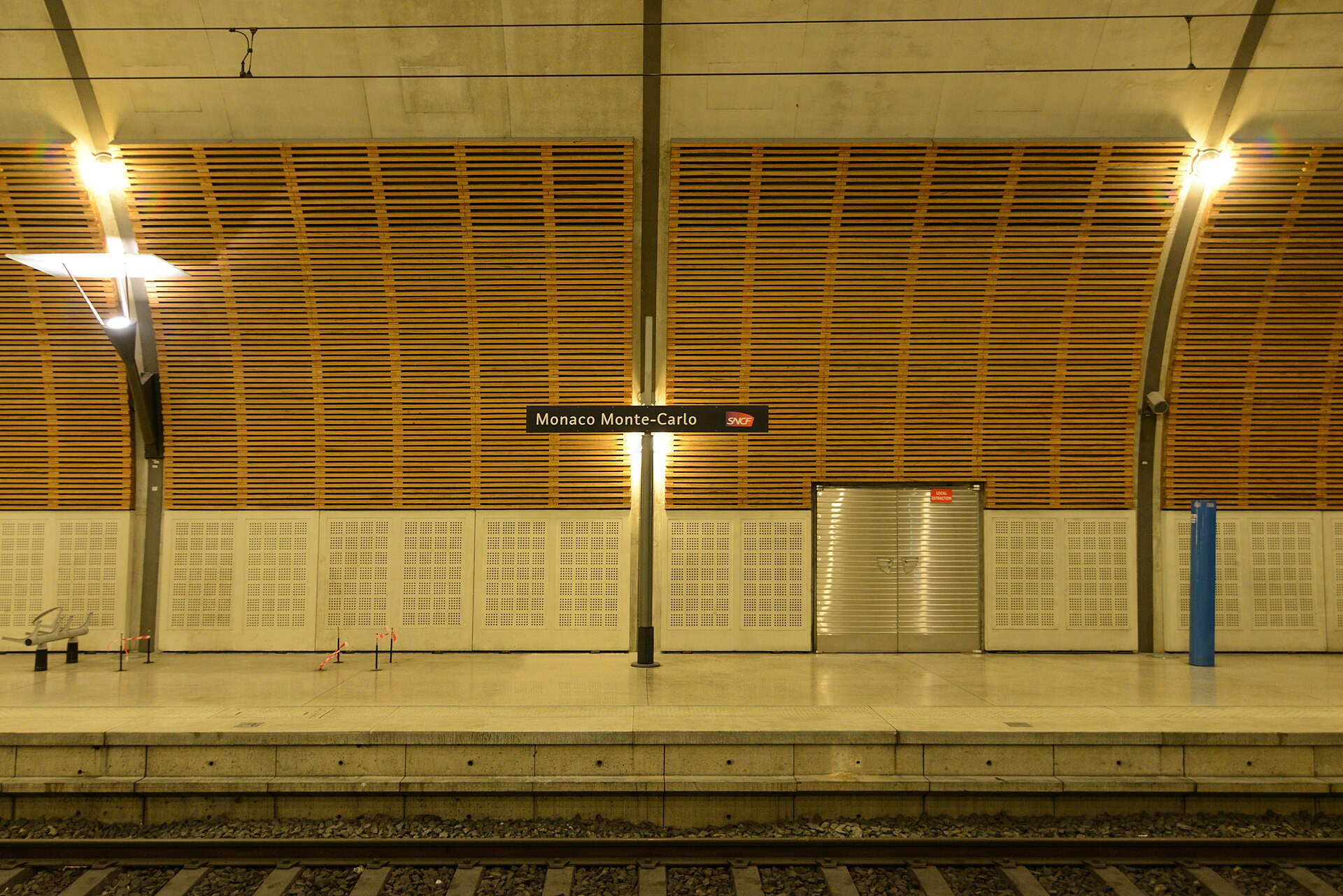
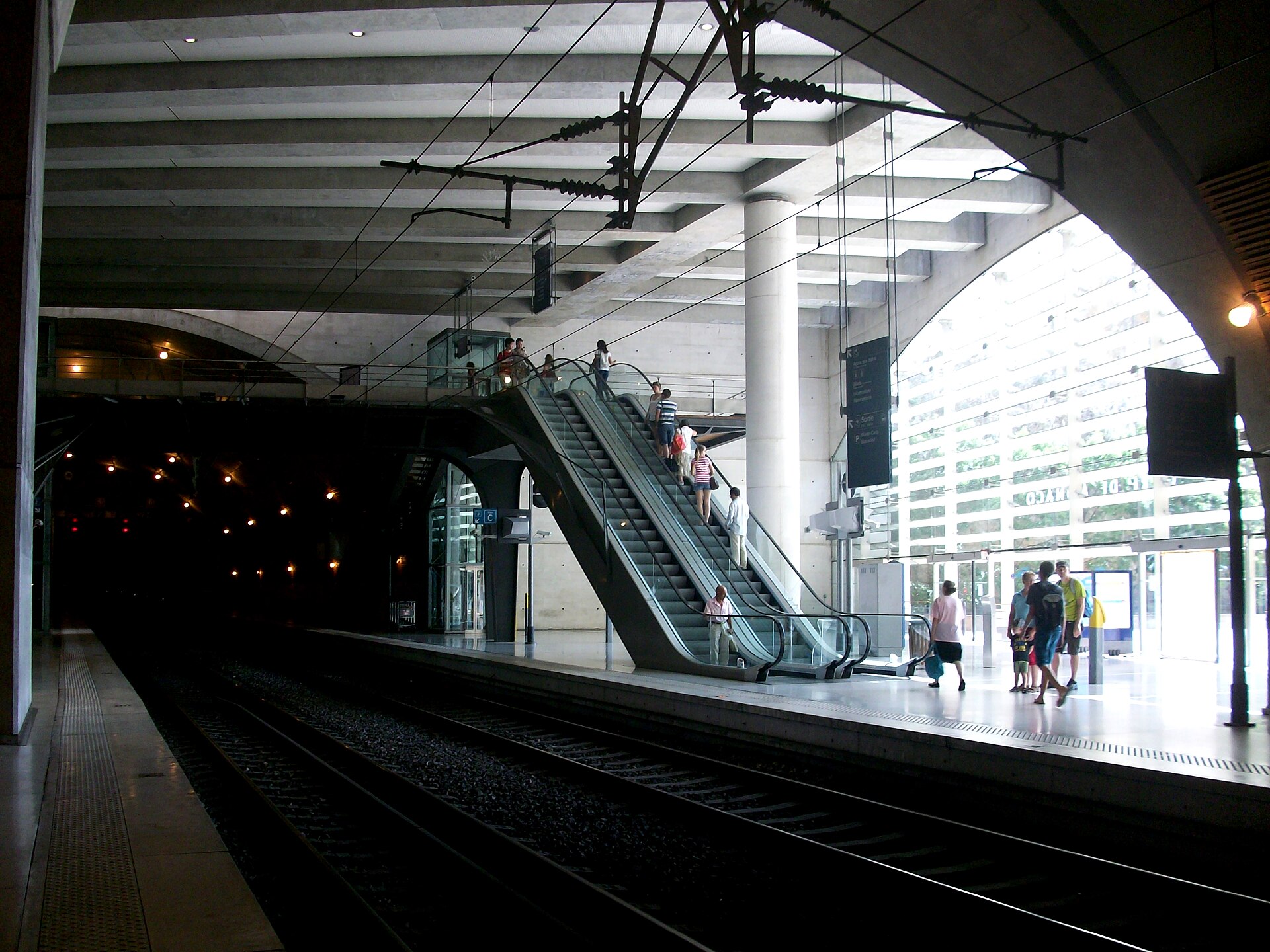
Easily. Direct trains from Nice-Ville reach Monaco Monte-Carlo station in about 20–25 minutes and run all day. The station sits in the middle of the principality, ten minutes’ walk from both the port and the casino.
Is Monaco walkable?
Extremely — it is arguably the world’s most walkable micro-city, as long as you use the public elevators and escalators that connect its levels. Even the longest crossing, Fontvieille to Larvotto, takes well under an hour on foot.
How much does a day in Monaco cost?
Less than its reputation suggests, if you choose to: the old town, gardens, beach, market lunches and the harbour cost little or nothing. It is equally possible to spend a fortune. The choice is unusually binary.