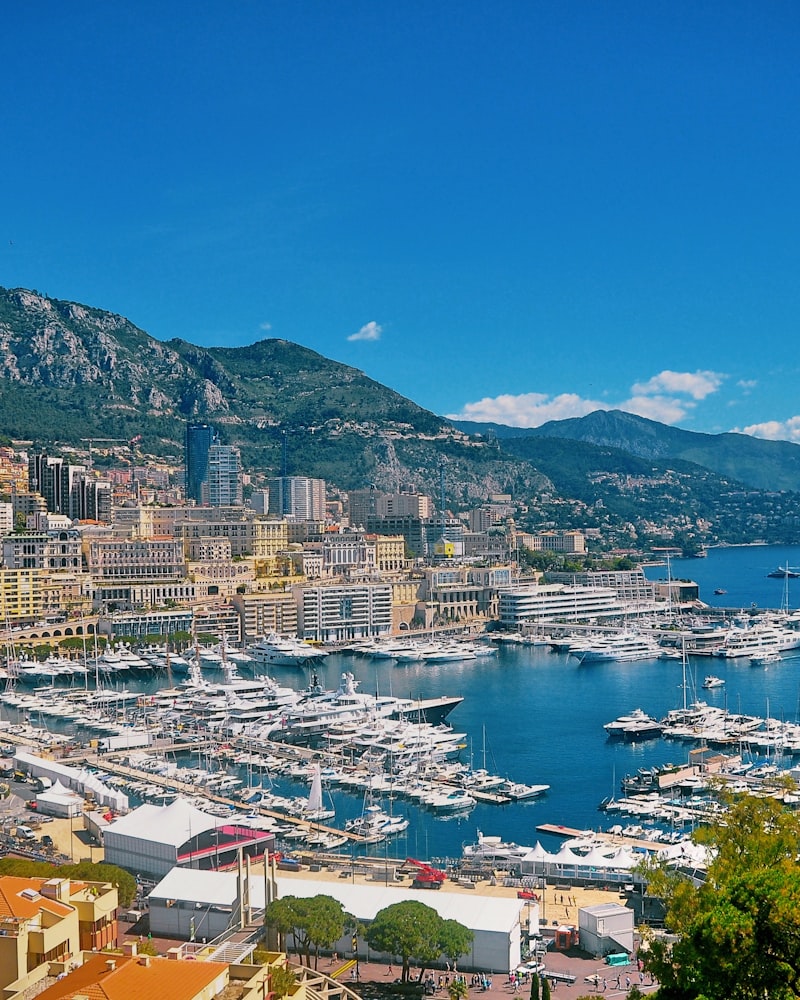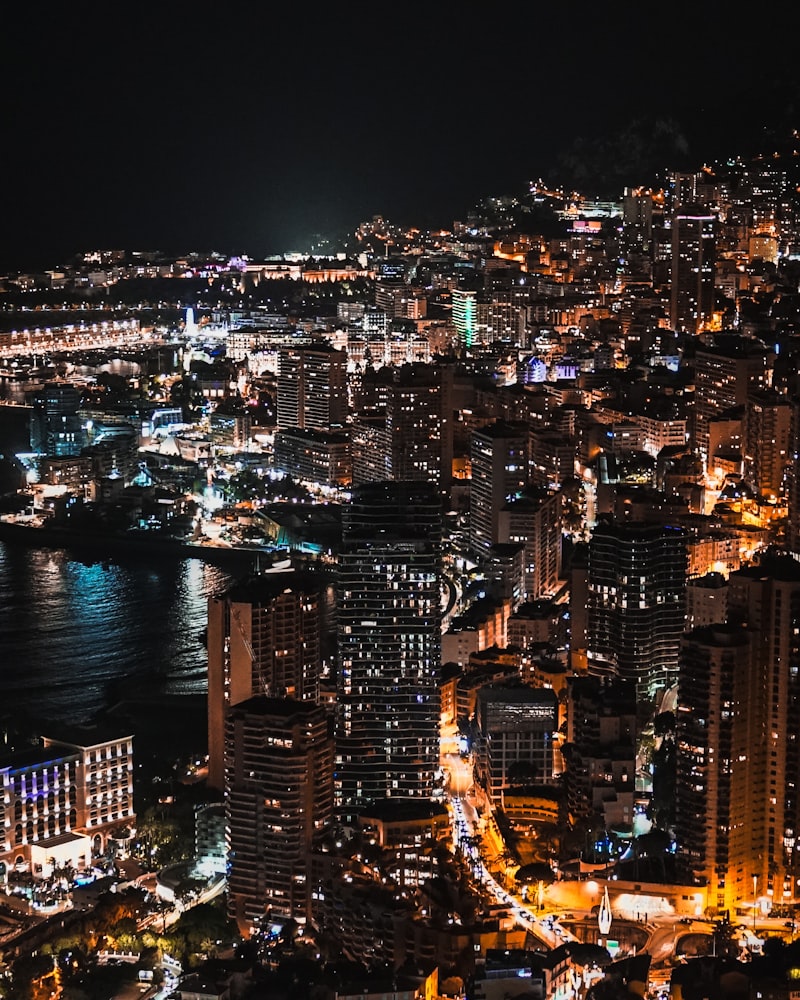
Most writing about Monaco describes a stage set: the casino, the yachts, the price per square metre. Almost none of it describes a place where people buy bread, take children to school and complain about the roadworks. Yet that place exists — around 38,000 people live here — and its daily texture is stranger and more interesting than the postcard.
This guide describes resident Monaco: who actually lives in the principality, what an ordinary day looks like, and how the famous questions — safety, tax, residency — actually stand. We describe. For anything legal or fiscal, the official channels are the only source that counts.
Who actually lives in Monaco
Roughly 38,000 people live in the principality, drawn from well over a hundred nationalities — which makes Monaco one of the few countries whose citizens are a minority at home. Monégasques number only a fraction of the population; the rest are French, Italian, British, Swiss and a long international tail — all resident by choice in two square kilometres.
The country’s working population is larger than its resident one: tens of thousands of cross-border workers arrive every morning from France and Italy — the trains and corniche roads breathe in at eight and out at six. The daytime city and the evening city are, demographically, two different places.
The rhythm of an ordinary day
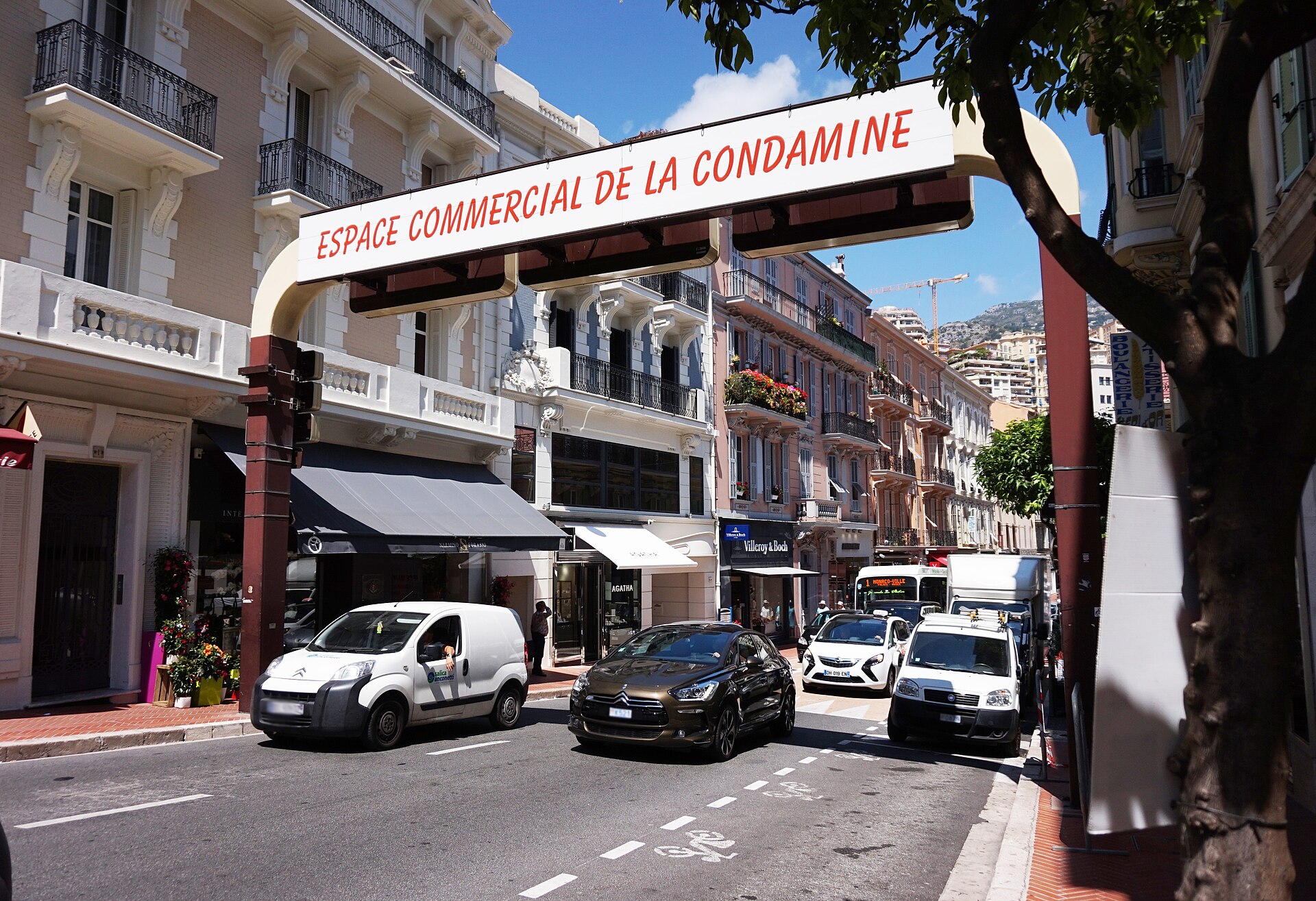
Resident Monaco runs on a small-town clock. Mornings belong to the Marché de la Condamine on Place d’Armes — coffee at the counter, vegetables from the stalls, the same faces daily. The commute, for many, is a sequence of public lifts: the city’s free elevators and escalators are not a tourist curiosity but the way residents actually move between home, office and shore.
For the rest, there are MonaBike electric-bike stations across the territory, the compact CAM bus network, and above all feet — nothing in the country is far from anything else. A resident can plausibly go months without starting a car, which, given what our parking guide says about garage space, is just as well.
Places

Safety and order
Monaco’s reputation for safety is central to why people move here, and the reputation is earned the visible way: a dense police presence for so small a territory, comprehensive CCTV, and public spaces that are maintained to a standard most cities reserve for their front halls. Children cross the country alone to school; nobody finds this remarkable.
The corollary is order. Monaco is a rules-following place — quiet hours, clean streets, paperwork done properly — and residents tend to describe that not as constraint but as the amenity they are paying for.
The practical city
For a micro-state, Monaco is unusually complete. It has its own hospital, the Centre Hospitalier Princesse Grace, its own pharmacies on rotation, the Mairie and post offices, and schools in several languages. Our services directory maps the practical layer that visitors never need and residents use weekly.
The civic amenities punch above the country’s size, too: the Médiathèque lends books and screens films; the Stade Nautique Rainier III on the port is the harbour-side pool all summer and an ice rink all winter. Small country, full toolkit.
Places


The tax question, answered carefully
Here are the facts, plainly stated. Monaco has levied no personal income tax on its residents since 1869 — the casino’s revenues made it possible then, and the principle has held ever since. The best-known exception concerns French nationals, most of whom remain subject to French income tax under a bilateral treaty between France and Monaco even when resident in the principality. Monaco is not, in other words, a magic word; whose passport you hold still matters, and other countries’ rules can reach their own citizens abroad.
Residency itself is a formal status, granted — not simply taken up — and in broad terms it requires accommodation in the principality and proof of sufficient means, established through official channels. We describe how the system stands; we do not advise on it. Anyone considering the move deals with the Monaco government’s official services and their own professional advisers, and no guide — this one included — substitutes for either.
What surprises newcomers
Two things, usually — and they pull in opposite directions. The first is how small it is: one market, a handful of school runs, neighbours you actually recognise. New residents expecting anonymous glamour find, instead, a village — perhaps the world’s most vertically built village, but a village nonetheless.
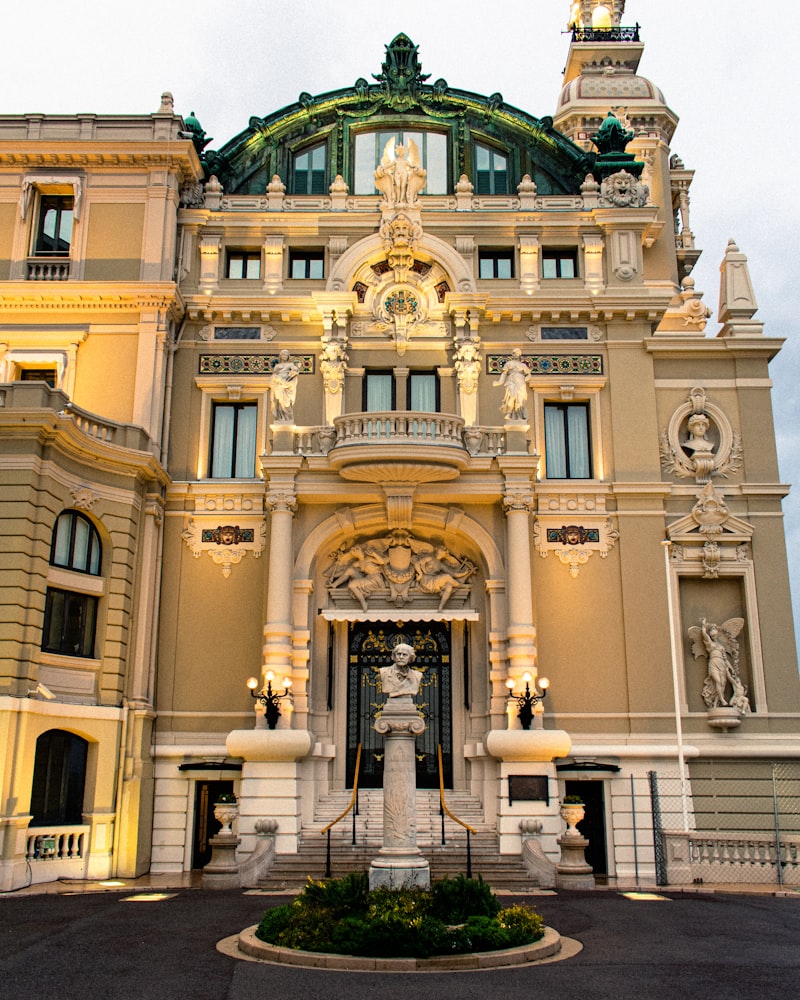
The second is that this village keeps a capital city’s calendar: an opera season, a circus festival, free summer fireworks on the port, the motorsport week in late spring when grandstands rise around the harbour and the whole town becomes the venue. The events listings refresh weekly, and residents learn to read the year by them — see our season-by-season calendar for the full rhythm. Living here means holding both truths at once: a two-square-kilometre town, and a country.
Frequently asked questions
Do people actually live in Monaco?
Yes — around 38,000 people, from well over a hundred nationalities, live in the principality full-time. Monégasque citizens are a minority of that population, and tens of thousands of cross-border workers commute in daily from France and Italy on top of it.
Is Monaco tax-free?
Not universally. Monaco has levied no personal income tax on residents since 1869, but French nationals generally remain subject to French income tax under a bilateral treaty, and other countries’ rules can apply to their own citizens. Individual circumstances vary, so official sources and professional advice are the only reliable guides.
How do you become a resident of Monaco?
At a high level, residency is a formal status requiring accommodation in the principality and proof of sufficient means, applied for through the Monaco government’s official channels. The process and conditions are set by the authorities, and anyone considering it should rely on those official services rather than guides.
What language is spoken in Monaco?
French is the official language and the one daily life runs on. Italian and English are widely spoken given the international population, and Monégasque — the traditional national language — survives in street names, ceremonies and the school curriculum.