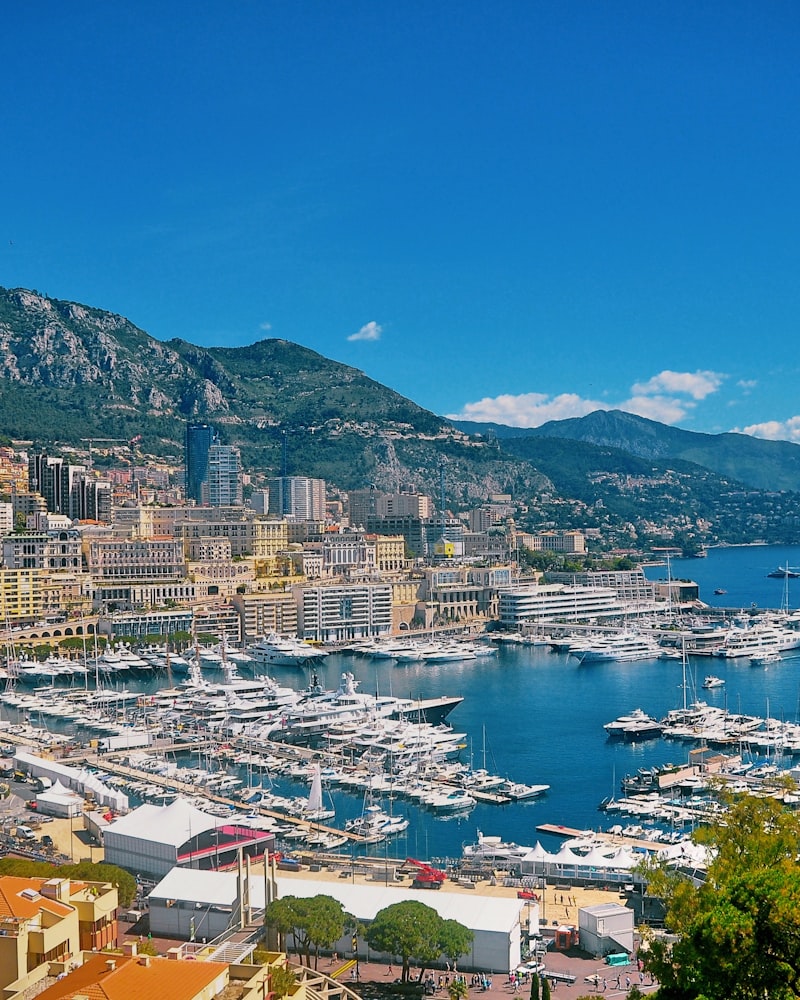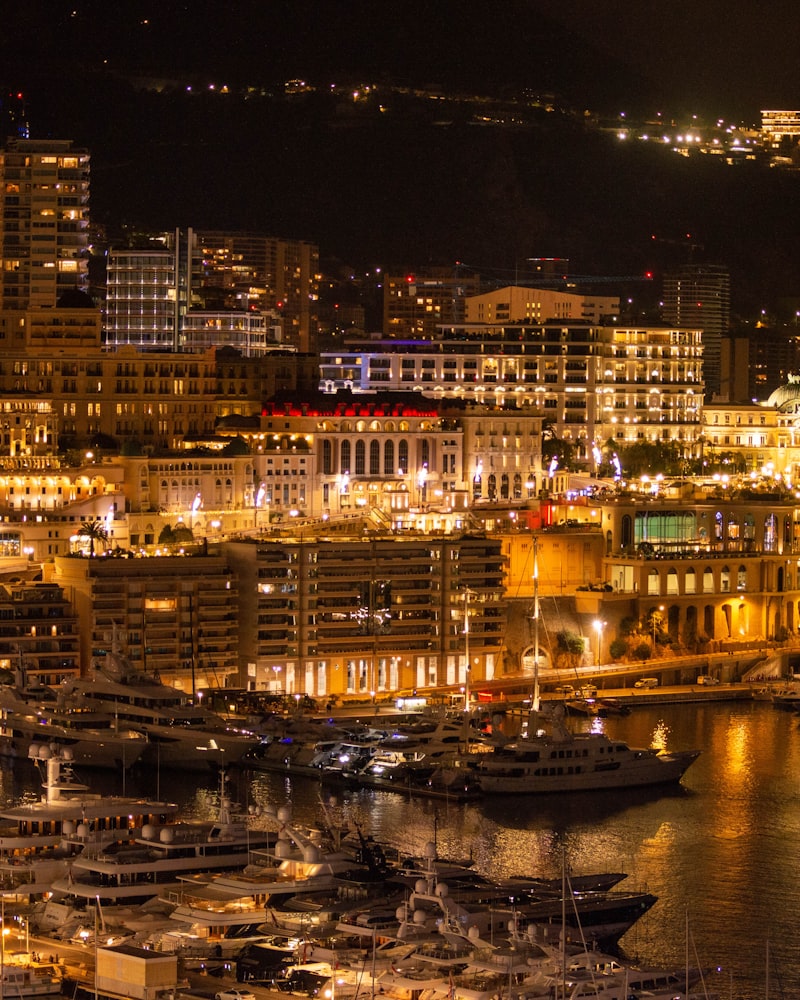
It is probably the most-asked question about the principality, and the shortest answer is: Monaco is the country, Monte-Carlo is a neighbourhood inside it. Saying “Monte Carlo” when you mean the whole state is like saying “Manhattan” for the United States — locally, the distinction matters.
The longer answer is a tour of one of the most unusual pieces of urban geography in Europe: a sovereign city-state of about two square kilometres, divided into quartiers with fiercely distinct personalities.
Monaco: the sovereign state
The Principality of Monaco is an independent country — the world’s second smallest after Vatican City — ruled by the Grimaldi family since the end of the 13th century. It has its own government, its own flag, roughly 38,000 residents from well over a hundred nationalities, and a famously compact footprint wedged between the Mediterranean and the French Alpes-Maritimes.
Its capital is not Monte Carlo. Constitutionally there is no capital at all — the seat of government and the Prince’s Palace sit in Monaco-Ville, the fortified old town on the Rock.
Monte-Carlo: the famous quartier
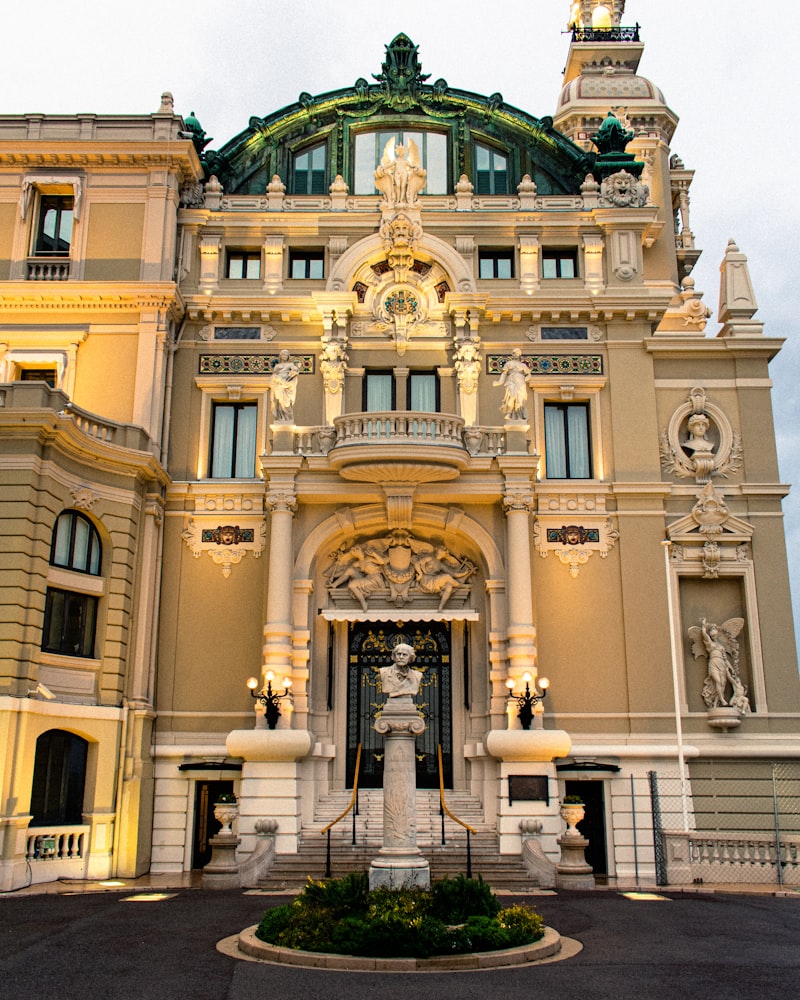
Monte-Carlo (“Mount Charles”, named for Prince Charles III) is the district created in the 1860s around the Casino de Monte-Carlo — a deliberate invention to rescue the principality’s finances, and a spectacularly successful one. The belle-époque ensemble of casino, opera house and grand hotels around the Place du Casino remains the image most of the world has of “Monaco”.
When people say they stayed “in Monte Carlo”, they usually mean this golden quarter — the Carré d’Or — and its avenues of maisons de couture, the Café de Paris terrace, and the casino gardens.
Places


The other quartiers, quickly
The traditional map of Monaco counts a handful of quartiers, each walkable from the next:
| Quartier | Character | Anchor |
|---|---|---|
| Monaco-Ville | Medieval old town on the Rock; palace, cathedral, museum | Prince’s Palace |
| La Condamine | The working heart: market, port-side cafés, everyday shops | Marché de la Condamine |
| Monte-Carlo | Belle-époque glamour, casino, grand hotels, couture | Casino de Monte-Carlo |
| Larvotto | The beach quarter, renovated 2021; seafront dining | Plage du Larvotto |
| Fontvieille | Land reclaimed from the sea in the 1970s; marina, rose garden, heliport | Roseraie Princesse Grace |
A country that keeps growing into the sea
Monaco’s answer to having no land is to make more of it. Fontvieille added a whole district on reclaimed seabed under Prince Rainier III; in December 2024 the principality inaugurated Mareterra, a six-hectare eco-district extending Larvotto seaward, with a public promenade, pine grove and marina. Roughly a quarter of today’s Monaco stands on land that was once Mediterranean.
The best way to feel the quartiers change is on foot — our walking routes cross all of them, and the interactive map shows every place we cover, quartier by quartier.
Walks


So which name should you use?
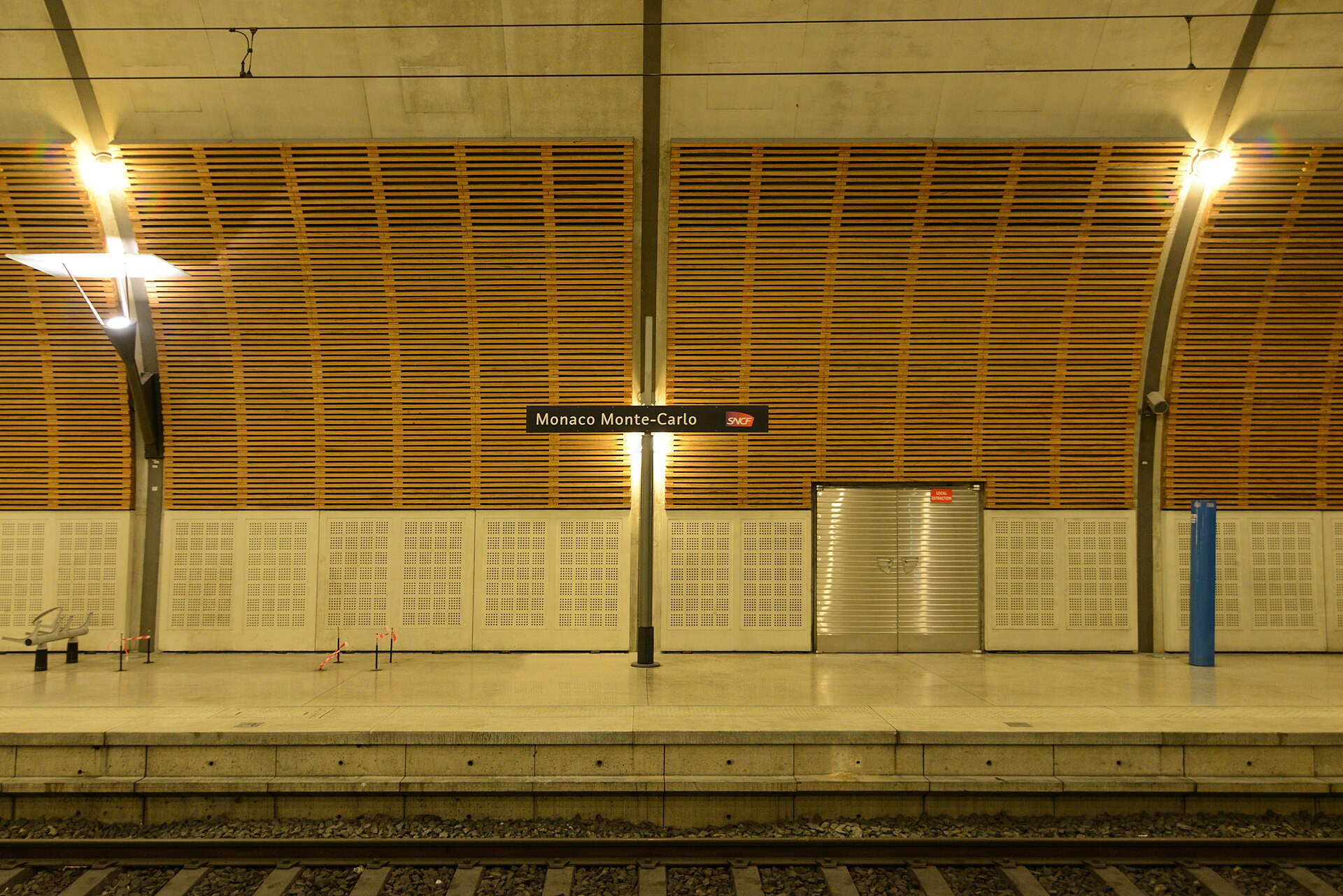
Use Monaco for the country, the nationality (Monégasque), the train station, and anything official. Use Monte-Carlo for the casino district and the institutions that carry its name — the Casino de Monte-Carlo, the Opéra de Monte-Carlo, the Monte-Carlo Bay. Residents will forgive the mix-up, but they will notice.
Frequently asked questions
Is Monte Carlo a city or a country?
Neither — Monte-Carlo is a quartier (district) of the Principality of Monaco, the sovereign city-state. Monaco is the country; Monte-Carlo is its most famous neighbourhood, built around the casino in the 1860s.
What is the capital of Monaco?
Monaco has no separate capital city — the entire principality is a single municipality. The seat of government and the Prince’s Palace are in Monaco-Ville, the old town on the Rock, not in Monte-Carlo.
Why is Monte Carlo so famous?
Because of the Casino de Monte-Carlo, opened in the 1860s to restore the principality’s finances. The casino, the opera house and the grand hotels around the Place du Casino became the symbol of European glamour, and the name spread to everything from rallies to cocktails.
Is Monaco part of France?
No. Monaco is an independent, sovereign state with its own prince, government and laws. It is closely tied to France — which surrounds it on three sides — through treaties, currency (the euro) and customs, but it is not French territory.