Monaco’s reputation says the answer is obvious. The reality is stranger: the principality is one of the most binary places in Europe to spend money. The famous things — palace hotels, starred tasting menus, a berth for the yacht — are as expensive as anywhere on earth. Almost everything in between costs what it costs twenty minutes away in Nice, and a surprising amount costs nothing at all.
There is no entry fee, no toll, no tourist surcharge for crossing the border; you can arrive by train, walk the entire country, eat well and leave having spent less than a museum-heavy day in Paris. Or you can spend a year’s salary before midnight. What follows is the honest map of which is which.
So, is Monaco actually expensive?
Only if you choose the expensive Monaco. The principality runs two economies side by side on the same streets: one for the visitors and residents of the palace hotels, and one for the 38,000 people and tens of thousands of cross-border workers who live an ordinary Riviera life here. Both are real; neither is hidden; and nothing forces you from one into the other.
The binary shows up everywhere. The espresso at a counter in La Condamine costs French-café money; the same espresso fifty metres up on a famous terrace costs several times more — and you are paying for the stage, knowingly. Once you see the pattern, budgeting Monaco becomes simple: decide in advance which moments deserve the stage.
What genuinely costs money in Monaco
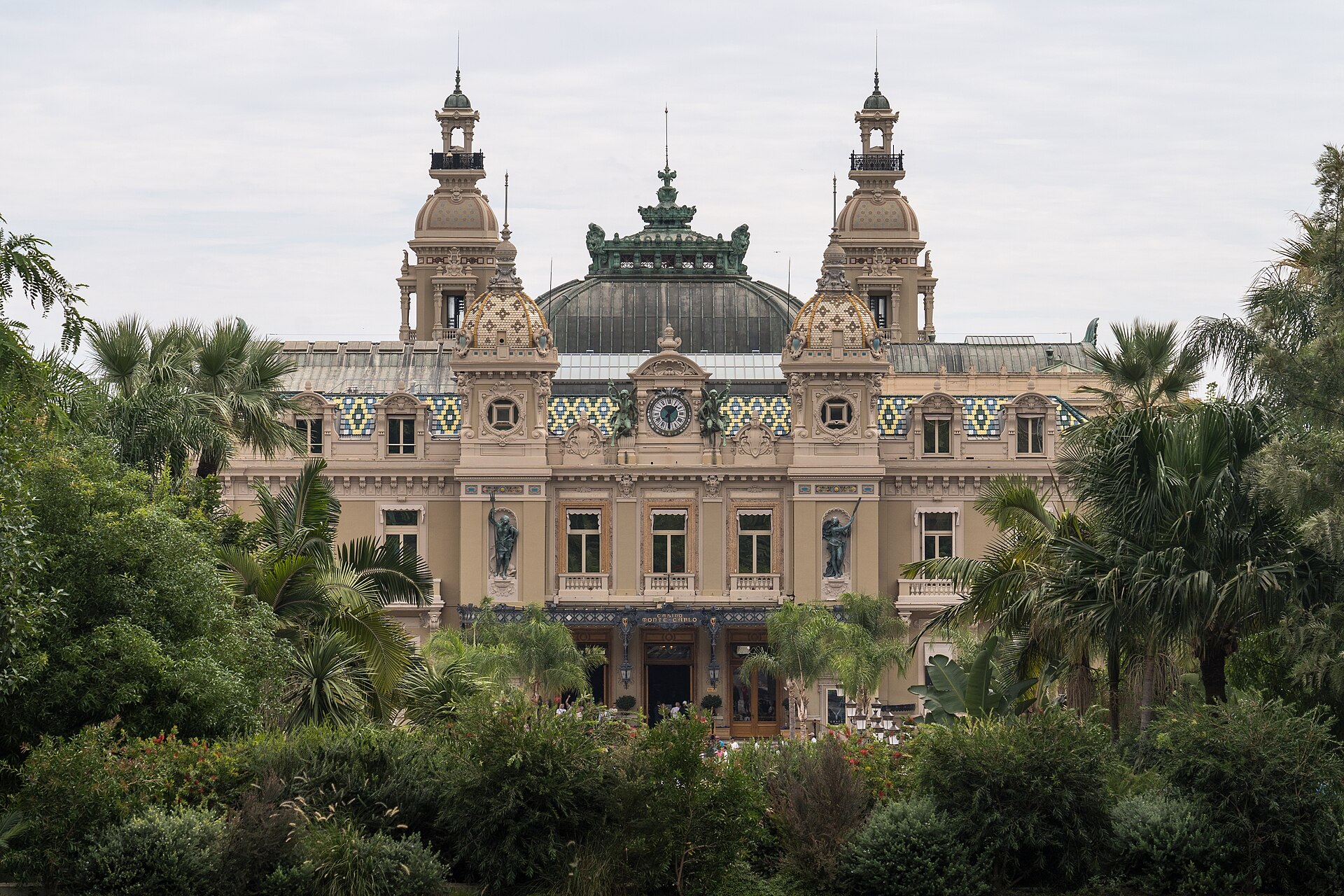
Four things carry the reputation. Five-star hotels: the casino-square palaces are open-ended, and even the resort hotels command serious rates in summer — our where-to-stay guide maps the alternatives, including the Beausoleil trick. Fine dining: the starred rooms price like their peers in Paris, though lunch menus soften them considerably.
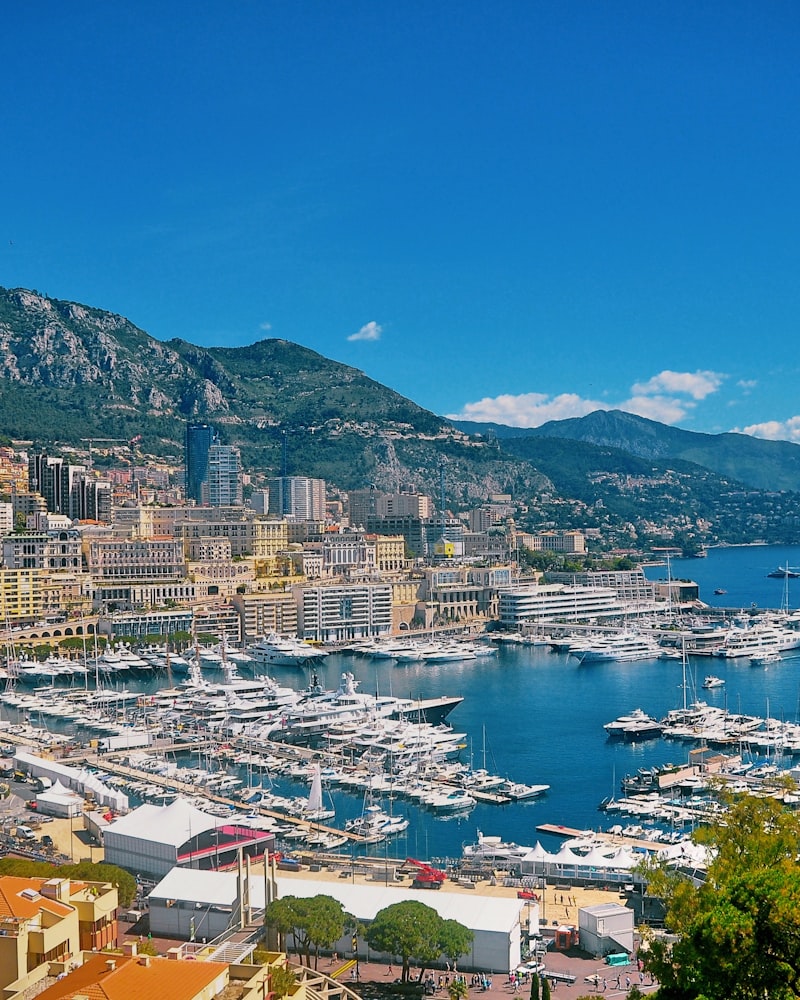
Nightlife: clubs and famous terraces are where bills escalate fastest — bottle prices are the principality’s true luxury tax. And the sea, done privately: beach clubs, charters and berths are the domain where “if you have to ask” genuinely applies. Notice what is not on this list: transport, museums, gardens, or everyday food.
What costs the same as Nice
The train, first of all: the TER from Nice reaches Monaco in around 20–25 minutes for the price of an ordinary regional ticket — details in our getting-to-Monaco guide. The local buses cost a couple of euros; a counter espresso, a bakery run, a supermarket basket all price like coastal France, because the supply chains are coastal France’s.
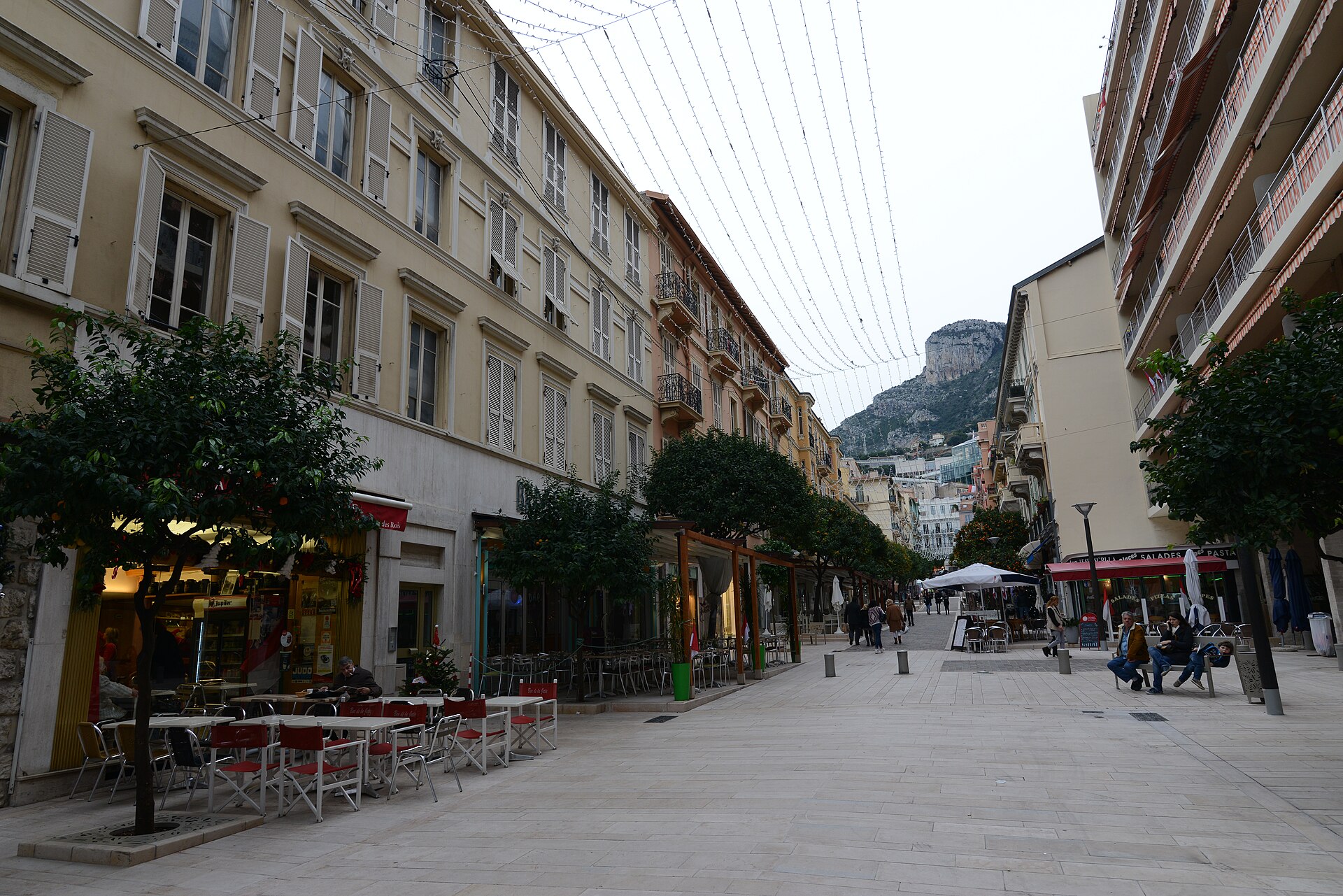
Lunch is the great equaliser. The market counters of La Condamine feed the principality’s workforce at market-town prices — socca, fresh pasta, barbagiuan — and the neighbourhood pizzerias hold entirely normal Riviera rates. Eat where the badge lanyards eat and your food budget in Monaco is indistinguishable from Nice’s.
Places

What is completely free
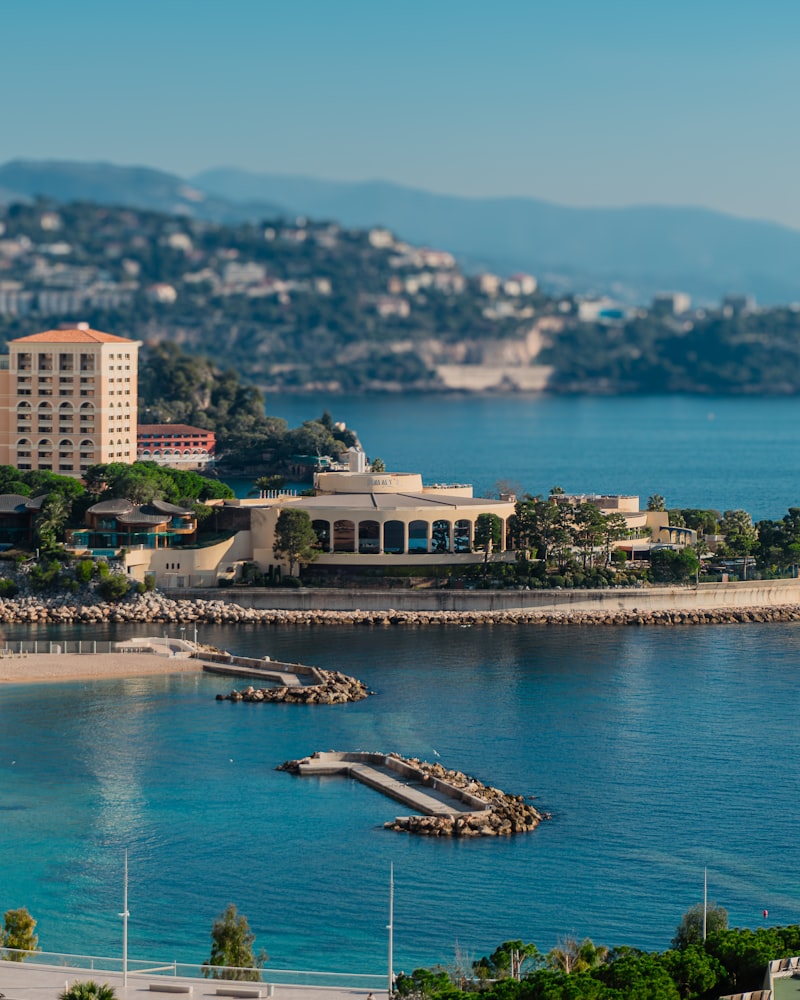
More than in most famous cities. Every public garden — the cliff-hung Jardins de Saint-Martin, the Japanese garden, the rose garden in Fontvieille — is free. The public beach at Larvotto is free. The quays of Port Hercule, the changing of the guard at 11:55, the old-town lanes, the Mareterra seafront: free.
So is the infrastructure that makes the country walkable — the network of public lifts and escalators — and all ten of our self-guided walking routes. We keep the full list in the free things to do in Monaco guide and the Free & Outdoor collection; a day built from it wants for very little.
Two honest day-budgets
Here is the binary made concrete: the same day in Monaco, lived twice. The considered day cuts nothing that matters — it still includes the old town, the port, the casino square and a proper lunch. The grand day is the same geography with the stage turned on. All figures are rough, per person, and hedged on purpose; Monaco resists precision from both directions.
| Item | The considered day | The grand day |
|---|---|---|
| Sleep | ~€120–200 — a simple Monaco hotel, or Beausoleil across the street | €1,000+ — a palace on the casino square, effectively open-ended |
| Eat | ~€35–60 — market-counter lunch, pizzeria or bistro dinner | ~€400+ — starred tasting menu, serious cellar |
| See | ~€0–20 — gardens, port and old town free; one museum ticket | ~€100+ — casino gaming rooms, guided visits, a beach-club bed |
| Move | ~€0–5 — on foot, lifts free, a bus if it rains | Open-ended — chauffeurs and helicopter transfers |
| Total | Roughly €150–300 all in | As much as you allow it |
Frequently asked questions
Is there an entry fee to visit Monaco?
No. There is no fee, toll or visa formality for entering Monaco — the border with France is open and most visitors simply walk out of the train station into the principality. The only common entry fee is the casino’s, €20, and only if you enter the gaming rooms.
Can you visit Monaco on a budget?
Yes, comfortably. The train from Nice is a normal regional fare, the gardens, beach, port and old town are free, market-counter lunches cost market-town prices, and sleeping just across the border in Beausoleil cuts hotel costs sharply. A careful day runs closer to €150–300 than to the reputation.
What is the most overpriced thing in Monaco?
Drinks on the famous terraces and in the clubs — you are paying for the stage, not the glass, and the multiple over an ordinary café is the steepest in the principality. The same espresso or spritz fifty metres from the casino square costs a fraction of the price.
Is the Casino de Monte-Carlo expensive to visit?
Not especially. Standing on the square and admiring the building costs nothing; entering the gaming rooms costs €20, with ID required and a dress code that tightens in the evening. Entering obliges you to play nothing at all — though if you do sit down, each table sets its own minimum stakes.