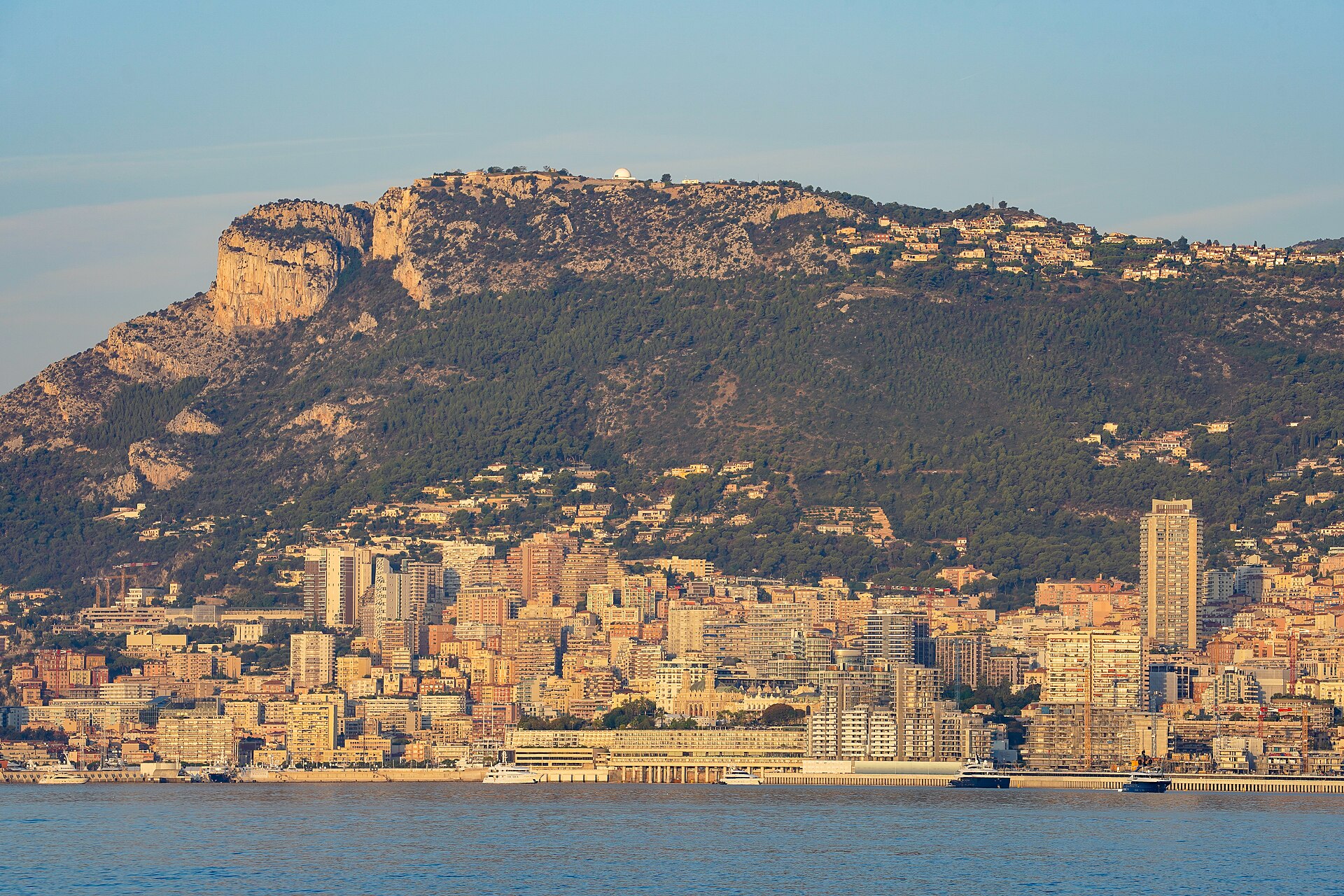
Monaco is roughly two square kilometres, and no visitor ever needed a car inside it. Everything the principality has — the medieval Rock, the harbour, the casino quarter, the beach — is within walking distance of everything else, stacked on a hillside that the state has spent a century engineering into something a pedestrian can handle.
We have mapped ten walking routes through it, each with turn-by-turn waypoints on this site and in our app. This guide is the overview: what each route is for, how long it takes, and how to choose. All of them are free, self-guided, and start wherever you happen to be.
Why Monaco is a walking city
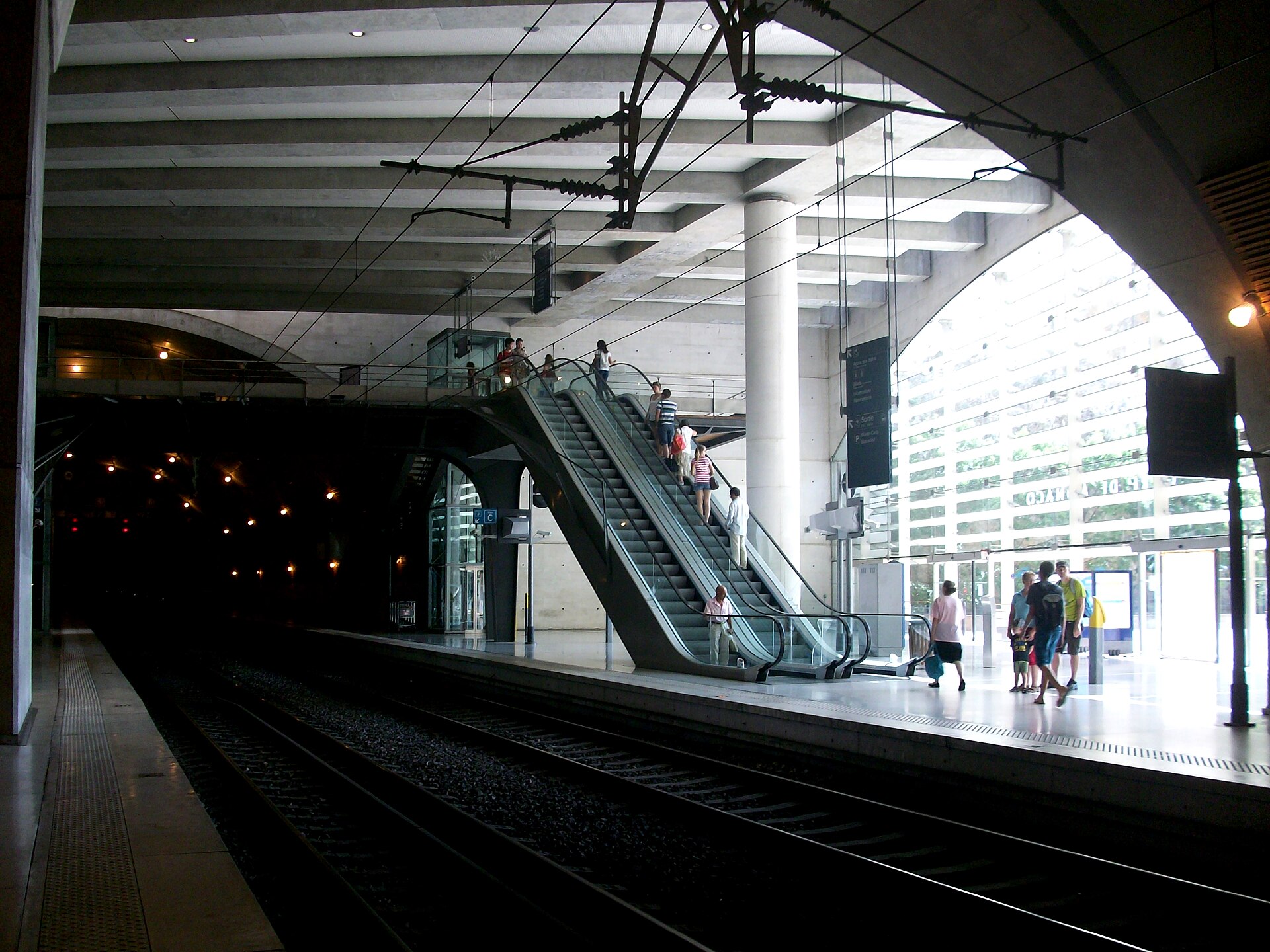
The objection writes itself: Monaco is built on a cliff face, so surely walking it means climbing it. It doesn’t — because the principality treats vertical transport as public infrastructure. A network of free public lifts and escalators threads through the buildings and the rock itself, connecting the port to Monte-Carlo, the station to the old town, the high corniche to the sea. The government counts dozens of lifts across the territory; used well, they flatten the city.
The result is a place where the longest crossing — Fontvieille in the west to Larvotto in the east — takes well under an hour on foot, and where walking is not the budget option but simply the option. Buses and taxis exist; residents mostly don’t bother for trips inside the country.
Heritage on foot: the Rock and the Belle Époque
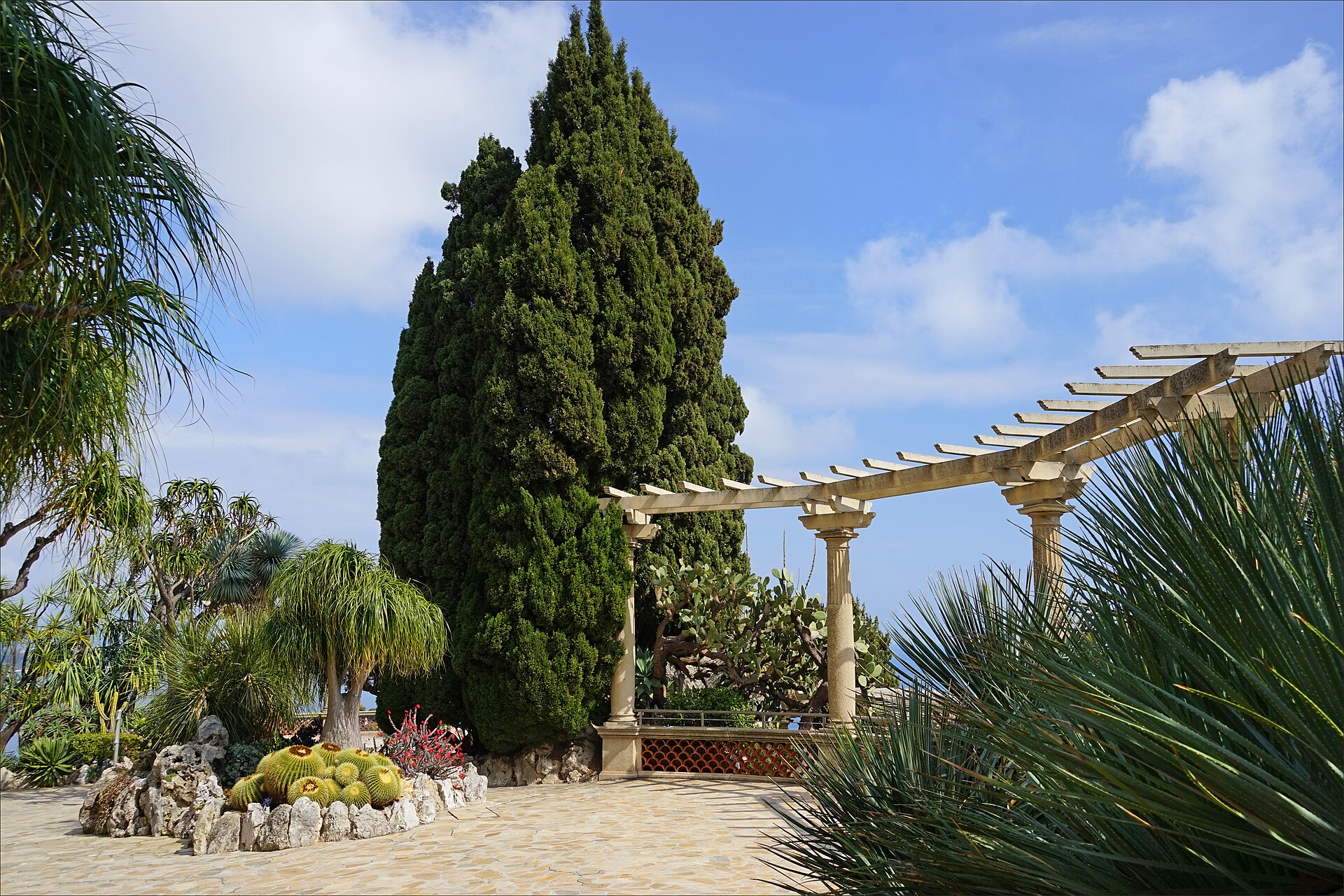
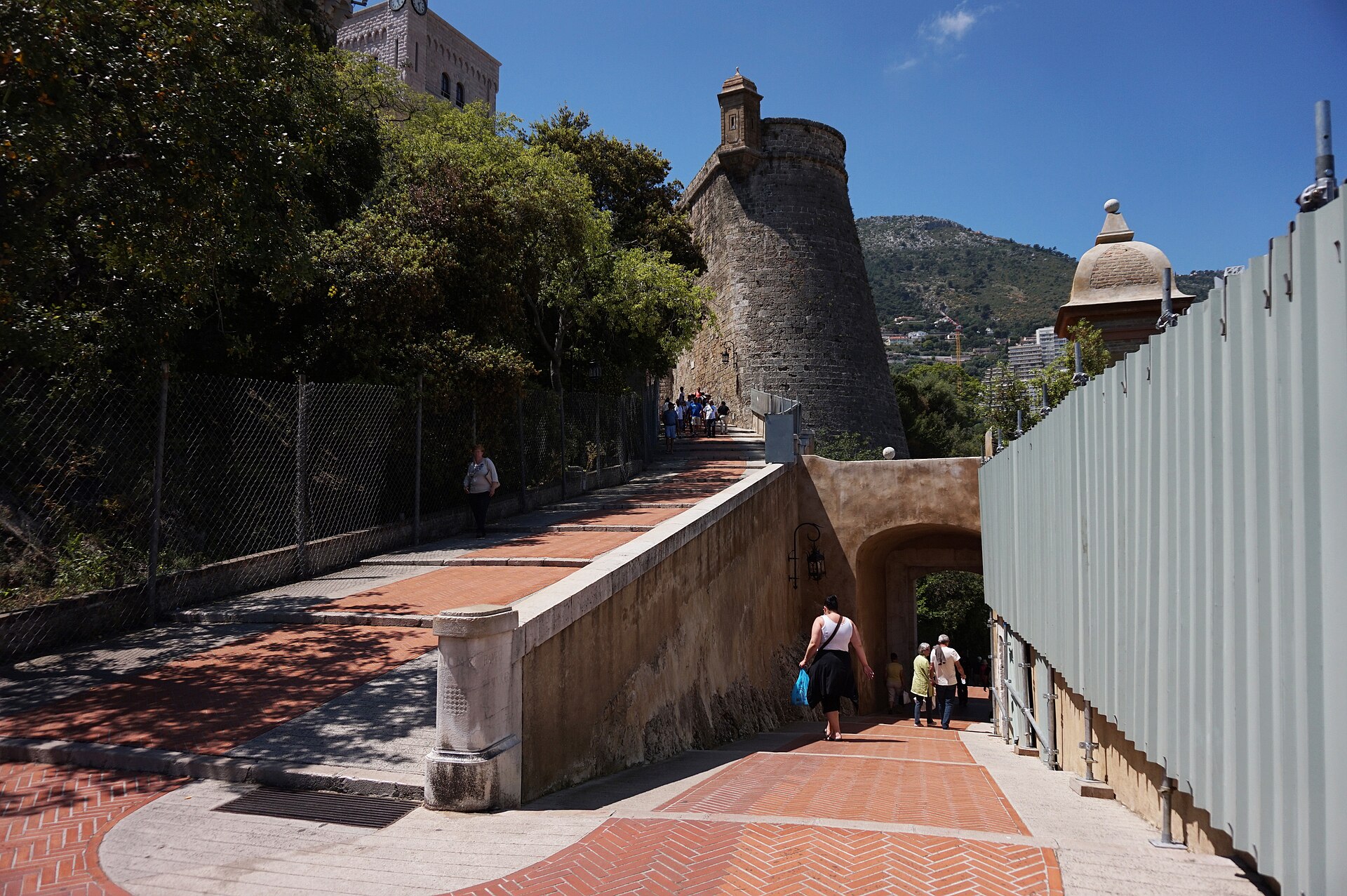
Start where Monaco started. The Old Town Heritage Trail — 2.2 km, about 75 minutes, easy — winds through Monaco-Ville on the headland: the Prince’s Palace and its 11:55 changing of the guard, the cathedral, the lanes, the cliffside Jardins de Saint-Martin, ending at the Oceanographic Museum. It is the classic first walk, and the one to take before 10 a.m. if you want the old town to yourself.
The Art & Architecture Walk — 3.5 km, around 100 minutes, moderate — is the second layer: Garnier’s casino and opera house, the grand hotels, the sculpture scattered through the public gardens, and the newer architecture that a very rich, very small state keeps commissioning. It asks slightly more of your legs and rewards anyone who looks up.
Walks


The sea: coast, harbour and golden hour
Monaco’s seafront is almost entirely public, and three routes work it from different angles. The Coastal Path & Larvotto — 3.8 km, about 70 minutes, easy — is the longest and flattest of the ten, running the length of the shoreline past the beach quarter and the new Mareterra promenade. The Port Hercule Harbour Loop — 1.5 km, roughly 40 minutes, easy — circles the deep-water harbour at superyacht-watching pace; it is the walk for an hour between other plans.
Then there is the Sunset Viewpoints route — 3 km, about 90 minutes, moderate — which chains the terraces and belvederes where the light does its best work. Time it to end as the sun goes down over the sea to the west; our views guide explains what you’re looking at.
Walks


The city’s own logic: lifts, glamour and the quiet west
Three routes explain how Monaco actually works. Vertical Monaco — 2 km, about 75 minutes, moderate — is the connoisseur’s walk: it rides the public lifts and escalators as sightseeing, climbing the city section by section to the high streets with the whole principality below. Nowhere else do we know a walking route where half the distance is covered standing still.
The Monte Carlo Glamour Walk — 2.5 km, around an hour, easy — does the famous quartier properly: the casino square, the Boulingrins gardens, the arcades, One Monte-Carlo. And Fontvieille Discovery — 2 km, about 50 minutes, easy — covers the district most visitors skip: land reclaimed from the sea in the 1970s under Rainier III, now a marina, a rose garden and the calmest quays in the country.
Walks


After dark and with children
Monaco by Night — 2.2 km, about an hour, easy — is the finale walk: the casino square lit like a stage set, the port mirror-calm, the Rock floodlit above the water. Monaco after dark is famously safe, and the route is entirely on well-lit public streets.
Monaco with Kids — 2.8 km, built to fill about three unhurried hours — is paced for small legs: playgrounds, the harbour, ice cream stops, the aquarium as the grand prize. It pairs with our full family guide, which covers everything the route can’t.
Walks


How the routes work
Every route on this site — and in the app — comes with turn-by-turn waypoints: each stop links to our full entry with photos, context, hours and directions, so the walk narrates itself as you go. There is nothing to book and nothing to pay; start at whichever waypoint is nearest and walk the loop in either direction.
Prefer a guide? Our routes are free and self-guided, but for race fans there is a paid Formula 1 walking tour (affiliate link) that follows the Grand Prix circuit through the streets with a guide who knows the corners.
If you only have one day, take the Old Town Heritage Trail in the morning and Monaco by Night after dinner — our one-day itinerary threads them together with everything in between. The other eight are the reasons to come back.
Frequently asked questions
Can you walk across Monaco?
Yes, comfortably. The principality covers about 2 km², and the longest crossing — Fontvieille in the west to Larvotto beach in the east — takes well under an hour on foot. Using the free public lifts and escalators, it is mostly flat walking.
Are the Monaco walking routes free and self-guided?
Yes. All ten routes are free, self-guided and open at any time — they follow public streets, gardens and quays. Each comes with turn-by-turn waypoints on our site and app, so there is nothing to book and no guide to hire.
How steep is Monaco really?
The terrain is genuinely steep — the city climbs a cliff face — but the network of free public lifts and escalators removes most of the effort. Routes rated easy involve little climbing; the moderate ones include stairs or gradients that the lifts don’t fully bypass.
Which walk is best for a first visit to Monaco?
The Old Town Heritage Trail: 2.2 km and about 75 minutes through the square in front of the Prince’s Palace, the cathedral, the cliffside Jardins de Saint-Martin and the Oceanographic Museum. It covers the historic essentials at an easy pace and works best before mid-morning.